Willow Wisps
Basic Information
Anatomy
Willow Wisps have no skeleton, no organs, no blood. Their structure appears to be pure magickal condensation, a mixture of Wild Growth residue, lunar energy, and forest awareness. Some scholars suggest they are “echoes” of living beings.
Biological Traits
Emits light that fluctuates with emotion or threat
Produces a faint hum heard only within arm’s reach
Can vanish instantaneously by merging with trees or moonlight
Can mimic movement patterns of animals or Humans
Sometimes cause mild disorientation or memory gaps in observers
Genetics and Reproduction
Unknown. Theories include:
- Spontaneous formation from concentrated magick
- Emergence from dying trees
- Manifestation during specific lunar alignments
No reproduction has ever been observed.
Growth Rate & Stages
Appears to have only two states:
- Dormant: invisible or latent within tree roots or moonlit puddles
- Active: visible, floating, and responsive to motion or sound
Their transition is tied to moon cycles.
Ecology and Habitats
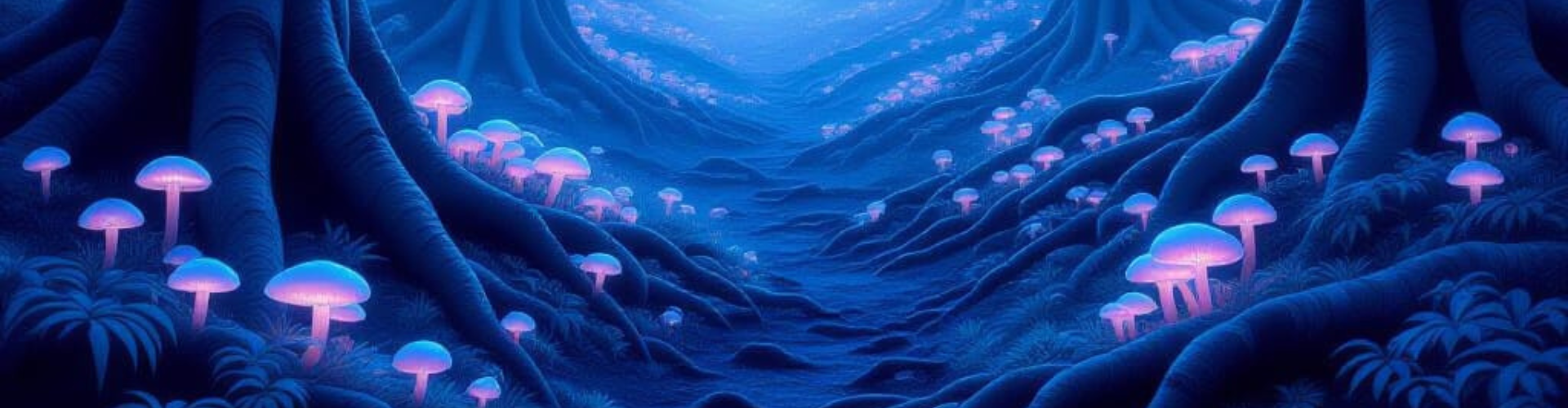
Willow Wisps refer dense willow groves, shadowed hollows, and lunar-clearings where moonlight pools unnaturally. They avoid open meadows, human-settled edges, and areas without strong magick saturation.
Dietary Needs and Habits
Willow Wisps “feed” on lunar magick, emotional residue (fear, longing, or grief strengthen them), and Wild Growth currents within the woods. They do not consume physical matter.
Biological Cycle
Their brightness and behavior change with the moon:
- Full Moon: Brightest, most active; sometimes seen in groups
- New Moon: Dim, almost silent; known to cause lost time
- Half Moon: Flickering, unpredictable movement
Seasonal changes matter less than lunar ones.
Additional Information
Domestication
Impossible. Attempts to capture or bind them have resulted in:
- Sudden disappearance
- Localized magick backlash
- Forest hostility
Scarlett Forge punishes anyone who tries.
Uses, Products & Exploitation
None safely. Some alchemists claim wisp-light can be collected, but no one who attempted it has returned.
Facial characteristics
Most have no face, though rare sightings describe:
- Faint outlines of eyes
- A masklike shimmer
- A half-formed, sorrowful expression
Faces appear only during major magick disturbances.
Geographic Origin and Distribution
Exclusively found in Old Willow Woods, especially near the heart clearing, hum-active groves, and pools reflecting solid moonlight. They were first seen in the heart clearing where the Lost Dragon Tribe vanished.
Average Intelligence
Not animalistic, not human but something in between. They respond to emotion, track movement, mimic sound, avoid open violence, and show curiosity. Some believe they are sentient echoes.
Perception and Sensory Capabilities
They do not rely on physical senses. Willow Wisps can detect emotional states and sense magick flows. They instinctively distinguish moon phases, navigate without sound or tactile cues, and see in perfect darkness.
Symbiotic and Parasitic organisms
Symbiotic with:
- Lantern Fungi (which glow brighter near wisps)
- Willow Sentinels (trees whose bark absorbs wisp energy)
No parasitic relationships have been confirmed.
Civilization and Culture
Common Myths and Legends
- The Lost Dragon Tribe’s disappearance
- ]The “Moon-Touched Pathfinders” who claim wisps guide worthy travelers
- Folktales claiming the wisps are “dreams the forest refuses to forget”
- Said to be souls caught in the forest’s breath
- Guides for the lost—or lures leading them deeper
- The “First Wisps” were created when the Lost Dragon Tribe vanished
- Some say Scarlett Forge can speak to them directly
Interspecies Relations and Assumptions

Humans have a fearful fascination with them while hunters avoid them. Scholars attempt study from a distance and villagers believe they are omens (good or ill). Twilight Deer follow them, Shadow Owls avoid them, and Mirror Foxes sometimes chase their light.
Scarlett Forge does not fear them. They seem to part for her.
Table of Contents
Unknown. Some appear only during lunar phases; others are said to return for centuries.
They are protected indirectly because Scarlett Forge forbids anyone from capturing, harvesting, or disturbing them.
Variable. Usually 1–3 feet above the ground, though height is an illusion.
Weightless; no physical mass.
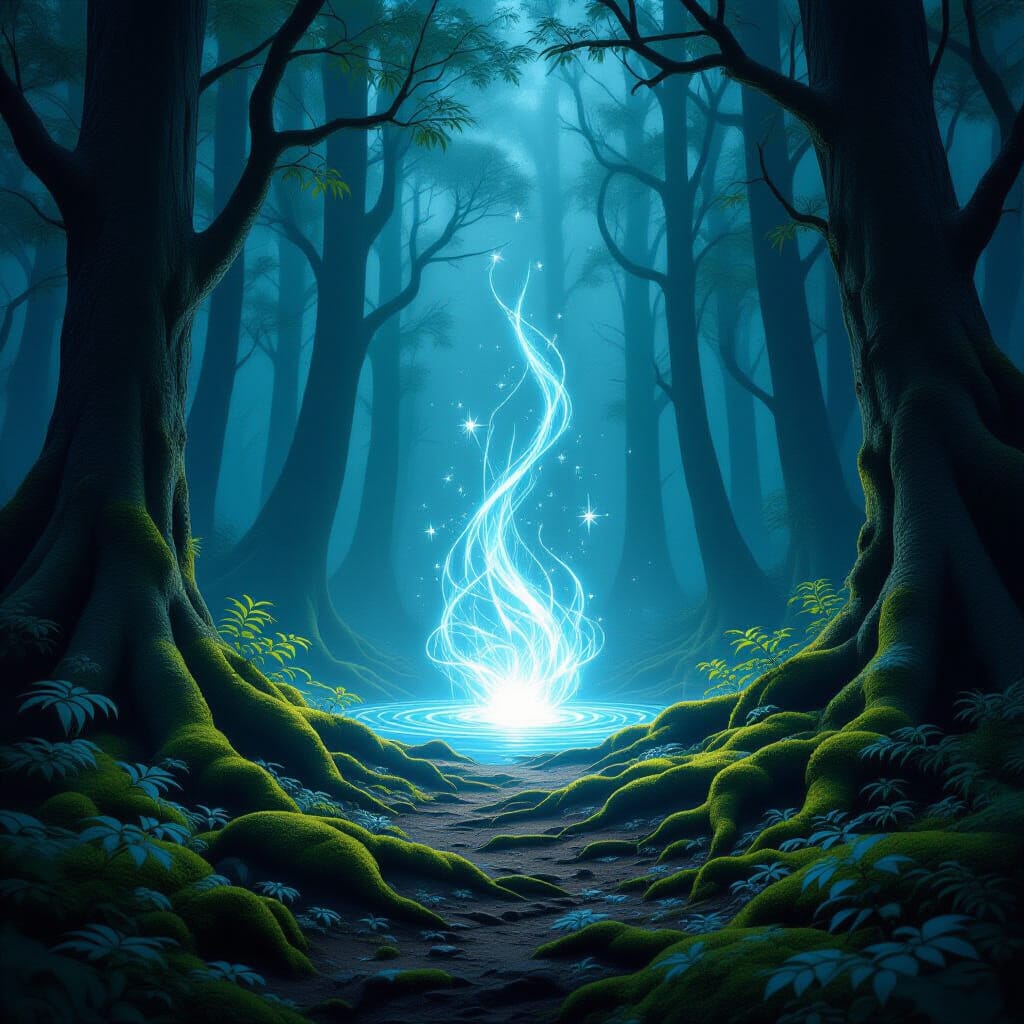
Wisplike. Appearing as floating motes, drifting ribbons of light, or faint humanoid silhouettes. Their form shifts depending on emotion, magick flux, or lunar phase.
- Pale blue or silvery white during normal nights
- Violet or rose-gold during full moons
- Nearly invisible on new moons
- Some display looping trails like firefly streaks
- Others appear as soft, pulsing spheres
No two Willow Wisps look exactly alike.


Comments