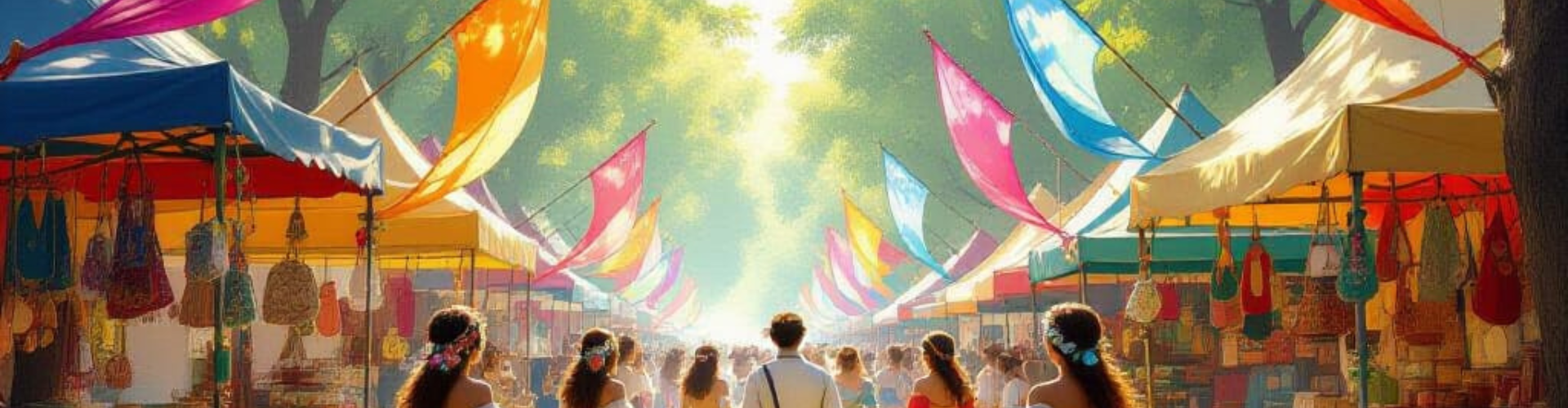
Silk Festival
History
The Silk Festival began in 1872 AR, shortly after the discovery of the native silkworm species that put Tenby on the map. The first festival was little more than a gathering of farmers showing off thread quality, sharing food, and holding dancing circles to celebrate a particularly successful silk harvest.
Over the decades, the festival grew into a defining event:
- Early Years: Local competition over who produced the finest thread; simple banquets under lantern-strung trees.
- After the Ash Blight (1922 AR): The festival shifted from pure celebration to a symbol of Tenby’s resilience. Families hung white silk ribbons to honor those lost, a tradition still kept today at dusk.
- Modern Era: More structured, tourist-friendly, and lively. Food stalls, woven goods, demonstrations, dancing lessons, and storytelling events now fill the weekend. The Silk Bell Pavilion became the festival’s beating heart.
Despite its growth, the festival has held tightly to its roots: honoring Tenby’s silkworms, its soil, and the cooperative spirit that got the town through hard years.
Execution
The Silk Festival unfolds over three days every summer.
Day One: The Unraveling
- A parade through Old Tenby led by children carrying long silk streamers.
- The silkworm farmers open their workhouses for guided tours.
- A ceremonial “First Thread Pull,” where the oldest spinner in town demonstrates silk reeling.
- Evening bonfire in Silk Meadow with simple circle dances.
Day Two: The Weaving
- Artisan stalls open at dawn.
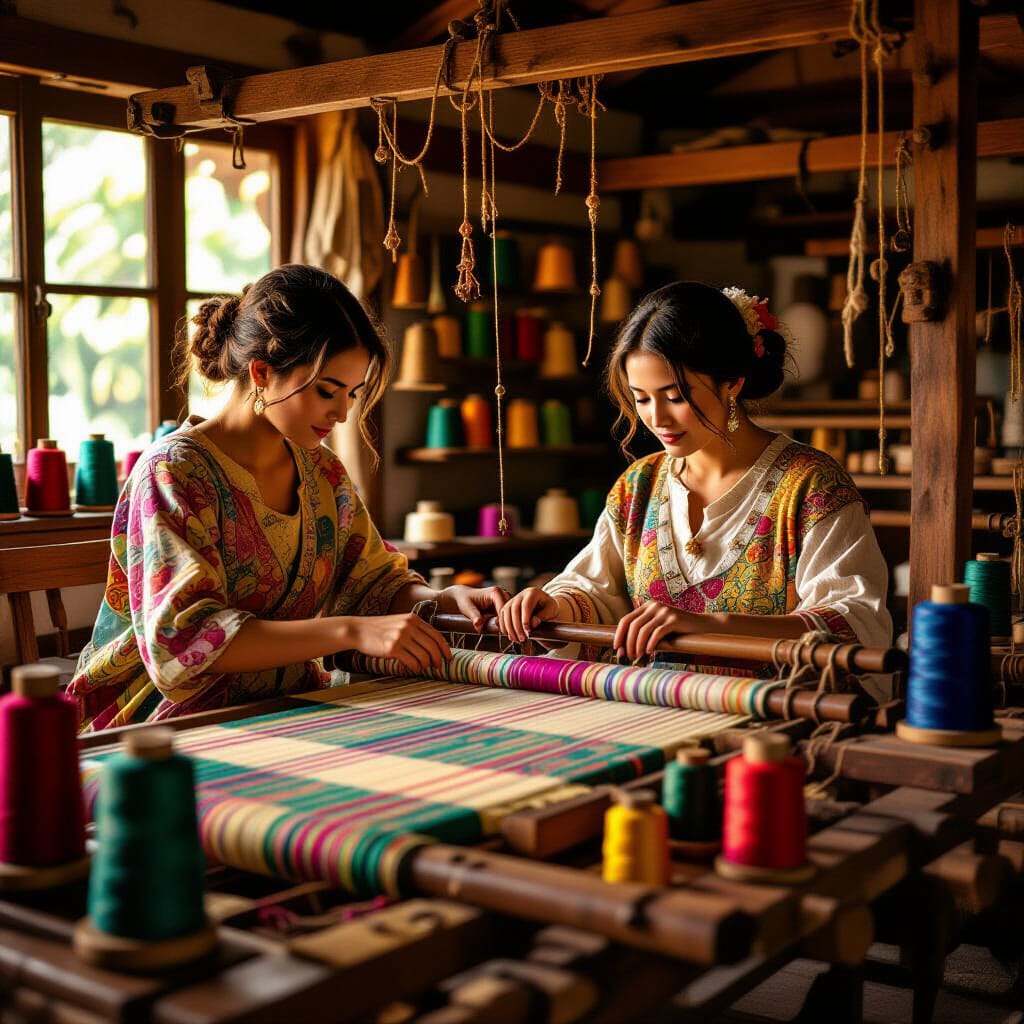
- Visitors try their hand at weaving on small travel looms.
- Workshops on dyeing, embroidery, pattern-making.
- Folk dancers perform in front of the Silk Bell Pavilion.
- At sunset, residents tie white silk ribbons on the pavilion’s posts in remembrance.
Day Three: The Pattern
- A town-wide showcase of new designs created during the year.
- Cooking contests featuring Silk Meadow herbs and Meatpole’s smoked meats.
- Final dance on Stone Square, open to everyone, with musicians traveling from Molin and Udeche.
- Closing ceremony in which the Mayor blesses the silkworm fields for the coming season.
Each phase reflects a step in the silk-making process: unraveling, weaving, and patterning—mirroring Tenby’s view of life as something crafted with patience.
Components and tools
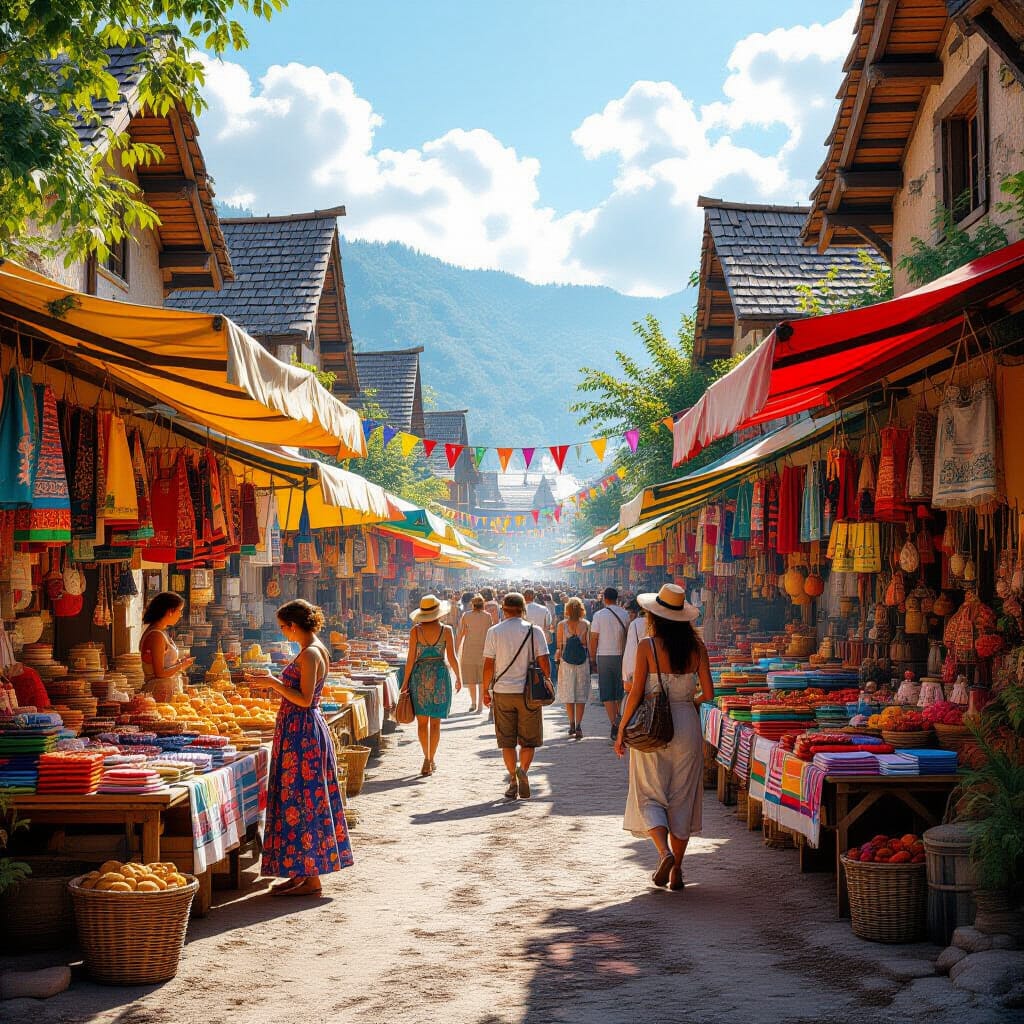
- Silk streamers and ribbons in green, gold, and white
- Hand looms for public use
- Dye pots filled with meadow herbs, roots, and imported spices
- Lanterns hung from poles and tree branches
- Silkworm pupae boxes displayed for demonstration
- Traditional festival costumes stitched with bright hems and tassels
- Food stalls offering smoked meats, honeyed pastries, and meadow teas
Many items used are made in Old Tenby’s artisan shops, including Stitch & Sage.
Participants

Silkworm Farmers: Lead the tours and teach the public about thread production.
Weavers and Tailors: Host workshops, display finished garments, and judge weaving contests.
Dancers and Musicians: Keep the festival lively; often semi-professional groups from nearby towns join in.
The Mayor: Gives the seasonal blessing on Day Three.
Children of Tenby: Carry the streamers and begin the parade, considered an honor.
Traveling Merchants: Sell specialty dyes, foreign fabrics, and weaving tools.
Community involvement is essential. Nearly every family contributes in some way, from cooking to hosting guests.
Observance
The Silk Festival is held every summer, during the warmest weekend of the season. Its exact date shifts yearly based on:
- The hatching cycle of Tenby’s native silkworms
- Weather patterns affecting Silk Meadow
- Practical considerations set by the Rotating Council
Traditionally, the date is announced on 1 Solaris, giving merchants and travelers time to prepare.


Comments