

The Gods and Myths of Arcasia
The divine forces that shaped the world, shattered the heavens, and continue to influence mortal fate.
Arcasia’s pantheon is ancient, fractured, and profoundly tied to the movements of the moons. The gods are not distant abstractions; they are present in natural cycles, storms, dreams, death, and magic. Their conflicts have left scars upon the land and sky, and their alliances and rivalries echo through every culture’s mythology.
The pantheon is best understood in three groups:
- The Lunar Gods
- The Core Six
- The Cast-Down Three (the evil gods)
Together they form the backbone of Arcasia’s mythology and religious practice.
The Lunar Gods
The two moons are not only celestial bodies—they are divine presences whose influence shapes magic, fate, and prophecy.
Aruven, The Silver Watcher
Patron of Selunvar, the Elder Moon
Domains: wisdom, fate, oaths, clarity
Aruven is the most widely respected deity in Arcasia, believed to weave the Loom of Fate. Priests of Aruven serve as judges, advisors, and interpreters of celestial signs. Selunvar’s calm light is considered Aruven’s blessing upon the world.
Aruven’s mythology is one of vigilance and burden. He is said to foresee all things—except betrayal.
Caleth, The Wandering Flame
Patron of Thalune, the Trickster Moon
Domains: magic, inspiration, change, unpredictability
Caleth is a figure of brilliance and danger, inspiring sudden genius or reckless folly. Artists, mages, and wanderers honor Caleth for insight but fear the moon’s capricious influence.
Myths portray Caleth as both liberator and instigator, a god who tests mortals as much as he guides them.
The Core Six
The everyday gods worshipped across most cultures. They embody natural forces, mortal striving, and the rhythm of life.
Vaelar — Lord of Storms and Seas
Domains: water, storms, sailors, travel
A powerful and temperamental deity. Coastal peoples offer rites to calm his moods. He is often depicted wrestling the sea-serpent Tuaros, symbolizing chaos kept in check.
Merynth — Lady of Life and Harvest
Domains: agriculture, healing, fertility, nature
A gentle but resolute goddess. Her temples serve as hospitals, gardens, and community centers. Myths tell of her weeping over barren fields and making flowers bloom in footprints of grief.
Korsai — Warden of Blades and Courage
Domains: honor, war, trials, discipline
Korsai represents righteous struggle and personal strength. Warriors pray to him not for victory, but for resolve. He despises cruelty and punishes oath-breakers, sometimes directly.
Thonir — Keeper of Doors and Death
Domains: death, pathways, boundaries, transitions
A quiet, neutral god. Thonir guides souls to their resting places and protects the living from malevolent spirits. His priests are mediators during family disputes and guardians of burial grounds.
Elystra — Muse of Art, Dreams, and Story
Domains: creativity, dreams, memory, imagination
She whispers ideas to poets, comforts the grieving with visions, and shapes destiny through stories. Some myths claim Elystra creates destinies that Aruven merely records.
Drathuun — The Hidden One
Domains: secrets, knowledge, forbidden truths
Neither benevolent nor malicious, Drathuun embodies everything mortals fear to know. Scholars pray to him before research, hoping not to uncover something best forgotten.
The Cast-Down Three
Once gods of the pantheon, now imprisoned or diminished. Their fall is at the heart of Arcasia’s central myth cycle.
Vharox — The Void Maw
Domains: entropy, hunger, cosmic ruin
Vharox seeks the return of all things to silence. Cults of the Mawborn erase names, burn libraries, and starve themselves as offerings. Vharox cannot be slain—only contained.
Sythis Vale — The Whisper Queen
Domains: lies, betrayal, corruption
Sythis rules the boundary between truth and falsehood. Her cults infiltrate courts and guilds, ensnaring cities in webs of deception. Her symbol, the smiling mask, appears carved into places where conspiracies take root.
Arkan-Thul — The Flesh Architect
Domains: disease, mutation, unnatural creation
A twisted innovator who believes suffering is a path to perfection. His cults build horrific living constructs and attempt to reconstruct Arkan-Thul’s broken divine body from mortal flesh.
The Sundering of the Three
The central myth shared across nearly every culture in Arcasia.
Long ago, before mortals shaped kingdoms or sailed the seas, the gods created the world together. But three among them were unfulfilled by their domains and believed creation itself was flawed.
- Vharox hungered to swallow existence and return it to nothing.
- Sythis Vale sought to unmake truth and reshape reality through deception.
- Arkan-Thul wished to tear apart mortal flesh and remake it endlessly.
They formed the Black Concord and launched the First Betrayal, blinding fate, corrupting divine servants, and tearing open the boundary of reality.
The gods faltered—until the moons intervened.
The Moons Take the Field
Selunvar and Thalune, ancient sky-spirits, united the gods in a single cause:
Cast the Three down, or creation itself would end.
The battle raged across sky and sea for three nights. The scars on Selunvar’s surface and the strange coloration of Thalune are said to be remnants of this war.
The Fall
- Vharox was sealed in a prison of moonlight.
- Sythis was bound in a realm where no secret survives the dawn.
- Arkan-Thul’s divine form was torn apart and hurled across Arcasia.
The gods triumphed, but unity among them shattered. The world entered the Age of Sundering.
Legacy
The myth ends with the same warning in nearly every culture:
“They were cast down, not destroyed.”
Their followers persist. Their influence leaks through shadowed places. And prophecies warn that if Apsira and Shadowfall ever align perfectly, the seals may fail.
Local Variants of the Myth
Though the core story is shared, different peoples interpret it uniquely.
- The Kurai emphasize the moons’ role, seeing the battle as proof that fate and discipline can overcome chaos.
- Tilçanhu mystics believe the evil gods represent imbalances within the natural world.
- Chelonian scholars claim the Pearlescent magic of their homeland was once used to help bind Arkan-Thul.
- The Free Peoples see the myth as a warning about tyranny and the corruptibility of power.
- Zareem tribes insist the battle cracked the desert’s foundation, creating cursed song-lines.
Each culture claims to hold the “true” version—another reflection of how myth shapes identity.
The Gods in Daily Life
Though their origins are grand, the gods manifest most visibly in:
- Seasonal rites
- Festival cycles
- Lunar ceremonies
- Death rituals
- Artistic traditions
- Warrior oaths
- Agricultural blessings
Whether through structured temples or wandering mystics, divine presence permeates all of Arcasia.
Even in places where temples stand empty, travelers whisper prayers to the moons, hoping the gods are listening.
Conclusion
Arcasia’s religion is not monolithic. It is a tapestry woven from celestial authority, natural forces, mortal stories, and ancient wounds. The gods above shape the world, but so too do the myths told by its people.
To understand the pantheon is to understand Arcasia’s history, its fears, its hopes, and the looming threat of the cast-down gods whose shadows stretch far beyond their prisons.
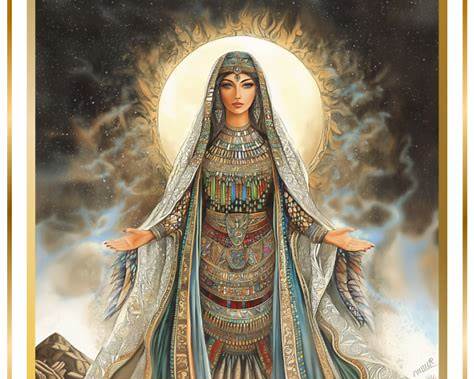
Aruven — God of Fate & the Elder Moon
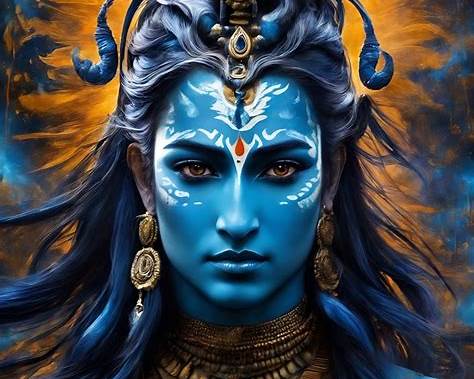
Caleth — God of Magic & the Trickster Moon
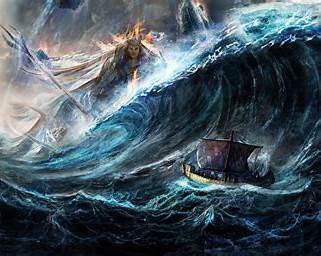
Vaelar — God of Storms and Seas
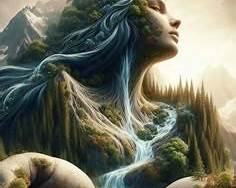
Merynth — Goddess of Life & Harvest
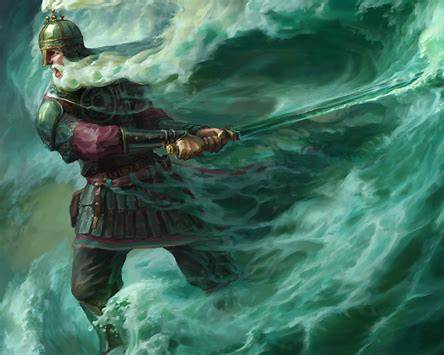
Korsai — God of Honor & Blades
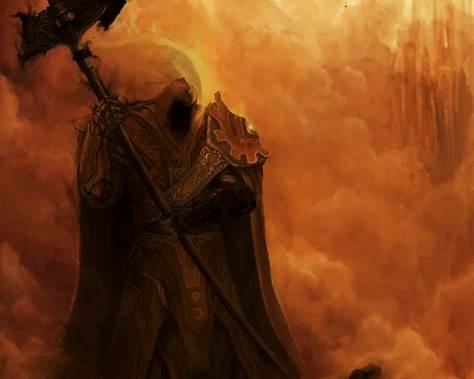
Thonir — God of Death & Doorways
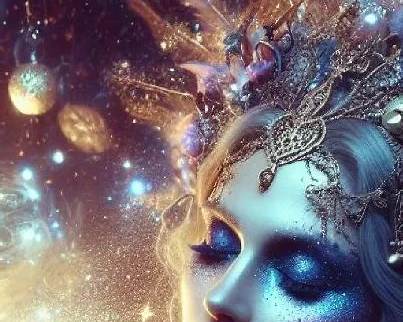
Elystra — Goddess of Dreams & Art
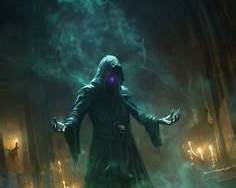
Drathuun — God of Secrets
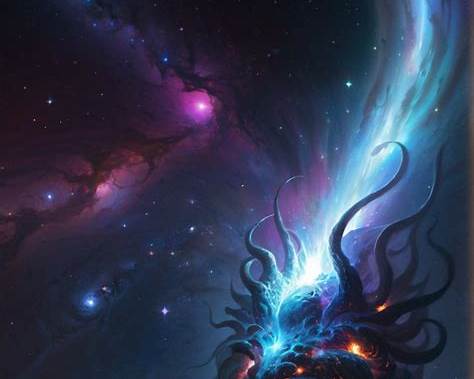
Vharox — The Void Maw
Sythis Vale — The Whisper Queen
Arkan-Thul — The Flesh Architect

Comments