

The Eastern Continent
The Eastern Continent is a sweeping landmass of deep history, shifting borders, and striking contrasts. Its northern fjords rise in rugged stone, its central heartlands stretch in rolling green, and its southern deserts shimmer under unrelenting sun. Civilizations emerged here in waves—river kingdoms, highland clans, and desert dynasties—each shaped by the land beneath their feet. Roads, both ancient and newly carved, tie its regions together, yet the continent’s many landscapes maintain distinct identities forged by climate, tradition, and the relentless passage of time.
The people of this continent have grown around the challenges of their environments: Faenas in abundance and complexity, Dwellomel in storm and stone, and Zareem in heat, endurance, and patience. Though trade and diplomacy weave them into uneasy cooperation, the land itself remains the greatest force shaping their cultures. It is a continent where prosperity and hardship exist side by side, and where the ruins of earlier ages whisper that far older stories lie hidden beneath soil and sand.
Geography
FAENAS — The Verdant Heartlands
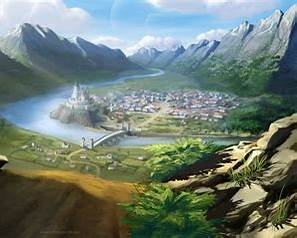
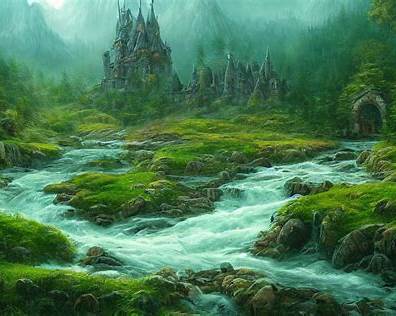
Faenas is a land of gentle climates and fertile earth, where river valleys, temperate forests, and expansive plains create a tapestry of settlements and farmlands. Cities flourish along the waterways that carve through the region, their foundations built atop layers of history from empires long since dissolved. Vineyards climb sunlit slopes, and old trade roads wind through coppiced woods and between walled towns whose stones still bear the marks of earlier eras. Although much of Faenas is cultivated, wilderness persists in deep forests, in swampy river deltas, and in the shadows of limestone foothills where forgotten ruins rest half-claimed by the land.
DWELLOMEL — The Shattered North
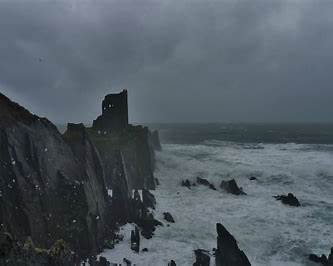
Far to the north lies Dwellomel, a realm sculpted by relentless weather and ancient ice. Towering cliffs drop sharply into narrow fjords, and villages cling to rock faces battered by winter storms. Inland, heather plains stretch toward wind-carved highlands, broken by solitary crags and stone formations that seem older than memory itself. The land is raw and beautiful, harsh yet enduring. Its people navigate a world where the sea can turn violent without warning, where snow may blanket the earth half the year, and where the landscape itself becomes a record of survival. The region feels steeped in history—not written in books but carved in stone and carried through oral tradition.
ZAREEM — The Sunscorched Expanse
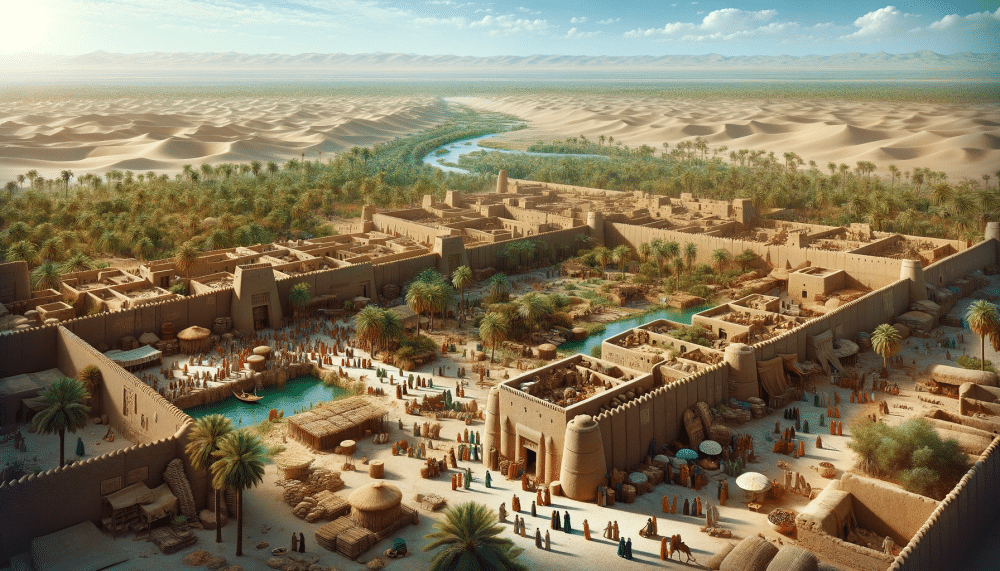
Zareem dominates the southern arc of the continent, an immense desert realm shaped by sun, wind, and shifting sand. Dunes rise in golden waves that march with the seasons, swallowing old paths and revealing lost cities at their whim. Oases glimmer like jewels across the expanse, forming the hearts of trade routes that have endured for millennia. The land rises into mountains of sun-cracked stone, where canyons hide inscriptions, tombs, and remnants of dynasties that once ruled the desert with artistry and precision. Despite its unforgiving nature, Zareem is rich in minerals, spices, and traditions forged in adversity. To survive here is to understand the desert’s rhythms and respect its merciless beauty.
Ecosystem
The ecosystems of the Eastern Continent shift dramatically as one travels from region to region. Faenas’ forests and riverlands teem with life, supporting great herds of elk, prowling bears, and serpentine river creatures that thrive in quiet backwaters. Wetlands hum with insects and migratory birds, while hardwood forests create canopies dense enough to darken the earth beneath them.
Dwellomel’s ecosystems are more spare but no less vibrant. Hardy mountain goats, thick-furred wolves, and massive seabirds survive in a world of cold winds and steep ridges. Coastal waters brim with seals, whales, and predatory fish, while inland plains support only the toughest grasses and shrubs capable of withstanding the northern chill.
Zareem hosts a realm of life evolved for scarcity. Burrowing reptiles, swift desert birds, and nocturnal predators carve out existence among the dunes. Plants bloom explosively after rare rains, then vanish again into seed and root. Oasis basins, by contrast, overflow with diverse flora and fauna, creating pockets of lushness where caravans gather and settlements grow.
Localized Phenomena
Across Faenas, sudden fogs roll in from the coast without warning, muting sound and swallowing entire landscapes for hours at a time. Rivers occasionally shift course after heavy rains, exposing long-hidden foundations or drowning farmland under new waterways. In deep forests, a strange hush precedes powerful storms, as if the wildlife senses what the sky intends before the clouds break.
Dwellomel is known for the resonant winds that funnel through fjords and high cliffs. These winds can produce low, melodic tones that echo across the water, serving as natural warnings of brewing weather. The highlands also experience sudden frostfalls in early autumn, ice forming in intricate patterns on stone and heather overnight.
In Zareem, mirages twist the horizon into impossible shapes, bending light across the heat-shimmered dunes. Entire dune fields can shift during seasonal winds, burying roads and exposing ancient structures long thought lost. Glassy patches of fused sand—formed by lightning or long-ago catastrophes—create blinding reflections that can be seen from miles away.
Climate
The climate of Faenas is temperate and relatively gentle, with warm summers, wet springs, and winters that grow colder toward the northern frontier. Mild breezes from the sea bring frequent rains that nourish crops and replenish rivers.
Dwellomel is defined by cold, wind, and the presence of winter for much of the year. Storms are fierce and frequent, and summers, when they come, are short-lived and cool. Frost can arrive early and linger long after the equinox.
Zareem exists at the opposite extreme, where scorching days give way to frigid nights. Rain is rare but powerful when it falls, reshaping the land in hours. Seasonal storms sweep across the desert, carrying sand that shifts entire landscapes, while mountain regions trap pockets of slightly cooler air.
Fauna & Flora
Faenas supports lush growth: broadleaf trees, wildflowers, and sprawling vineyards in cultivated regions, while wilder zones produce hardy underbrush, medicinal herbs, and dense thickets where predators hunt. Animals here include large herbivores, cunning forest predators, river serpents, and migratory birds following age-old routes between coasts and inland waters.
Dwellomel’s flora clings low to the ground—heather, moss, and hardy grasses capable of surviving thin soil and relentless wind. Animals grow thick coats or seasonal plumage to endure the cold. Coastal waters support creatures large enough to sustain entire communities, while inland predators rely on stealth and resilience.
Zareem’s plants favor deep roots, waxy leaves, and the ability to lie dormant until rain returns. Cacti, spice-reeds, and desert shrubs dominate the flora, while oases burst with palms, flowering vines, and fragrant herbs. Animal life ranges from swift-footed grazers to burrowing reptiles and birds adapted to long travel between water sources.
Natural Resources
The Eastern Continent’s natural wealth varies dramatically. Faenas offers fertile farmland, timber, iron, stone, and river-based trade that forms the backbone of many economies. Its forests and mines produce valuable resources, and its coastal fisheries sustain thriving settlements.
Dwellomel contributes silver, maritime bounty, and storm-weathered stone prized by masons. Its rugged landscape yields minerals and hardy pastures, while glacial caverns occasionally reveal rare amber-like deposits formed by ancient pressure and cold.
Zareem’s riches lie beneath the sand: gemstones, ores, desert salts, and the spice-fields that thrive only in carefully cultivated basins. Long-distance trade routes move these goods across the continent, linking the desert cities with the north and heartlands.
History
The history of the Eastern Continent is defined by cycles of rise, collapse, and renewal. Faenas once hosted vast empires whose roads, aqueducts, and fortresses still shape modern borders, even as their true histories fade into fragmented tales. Their downfall remains debated—some blame political fracture, others natural disaster—but their ruins are unmistakable markers of a grand past.
Dwellomel’s earliest eras are told not through written chronicles but through story and stone. The Clan Ages saw generations of alliances, conflicts, sea raids, and migrations across the fjords and highlands. What written history exists came much later, once coastal settlements began forging ties with the heartlands.
Zareem’s Golden Dynasties left grand monuments, intricate irrigation systems, and a legacy of scholarship and artistry. Their influence spread far across the desert until drought, shifting sands, and internal strife fractured their power. Successor states rose around oases and trade routes, inheriting fragments of the old dynasties’ knowledge and ambition.
Today, the continent exists in an era of crossroads. Trade, diplomacy, exploration, and the rediscovery of buried histories draw its regions into closer contact, though tensions remain ever-present. Old rivalries simmer beneath the surface, and the land itself continues to reveal remnants of ages long gone.
The Eastern Continent is a land of contrasts and endurance, where fertile valleys, frozen highlands, and burning sands have each crafted unique cultures bound together by history, necessity, and the promise of what lies yet undiscovered. It is a place where civilizations rise from the land’s bounty, fall to its challenges, and leave behind stories etched into stone, sand, and memory itself.

Comments