

Religion, Holidays, and Sacred Orders of Arcasia
Faith, ritual, and devotion in a world shaped by two moons and a fractured pantheon.
Religion in Arcasia is woven into daily life. Every culture looks to the heavens, the seasons, the spirits, or the ancestors for guidance, with the moons of Selunvar and Thalune anchoring nearly all religious calendars. The pantheon itself is unified but regionally interpreted, and while most worship is peaceful and communal, the shadows of the cast-down gods linger in the form of dangerous cults and heresies.
This article provides an overview of the major religious institutions, holidays, and heretical movements that influence Arcasian culture.
Major Religious Organizations
The Lunar Synod
Domains: Fate, prophecy, the moons, oaths
Region: Temples and observatories across Arcasia
The Lunar Synod is one of the most respected and widely recognized religious bodies. Synod temples function as observatories, libraries, and schools of astronomy. Their priests serve as judges, mediators, and keepers of ancient law.
Beliefs:
The moons reveal the structure of fate. To study the heavens is to understand the world’s hidden order.
Practices:
- Charting lunar cycles and predicting magical phenomena
- Blessings for newborns and new ventures
- Witnessing and binding oaths
Reputation:
Trusted but rarely loved; the Synod is respected for wisdom, feared for accuracy, and suspected of knowing more about prophecy than they publicly admit.
The Tidemother’s Cloister
Domains: Seas, storms, sailors, weather
Region: Coastal shrines, cliffside monasteries
Dedicated to Vaelar, god of storms and tides, the Cloister protects seafarers and coastal towns. They interpret storm patterns, bless fleets, and maintain ancient warnings carved into cliff walls.
Notable Rites:
- Night-long vigils during the first major storm of the year
- “Drowning rites,” symbolic immersions believed to grant visions
- Sea-warding chants performed before dangerous voyages
Reputation:
Respected but intensely traditional; some coastal merchants see them as too superstitious.
The Verdant Circle
Domains: Life, agriculture, healing, nature
Region: Rural communities and sacred groves
A druidic order devoted to Merynth. The Circle preserves healing lore, protects sacred forests, and mediates disputes involving land, water, and natural resources.
Practices:
- Tending healing gardens
- Maintaining ancient groves
- Enforcing taboos against certain destructive magics
Reputation:
Trusted by rural folk, occasionally distrusted by industrial powers.
The Order of the Stalwart Star
Domains: Courage, discipline, war, honor
Region: Military provinces, border fortresses, knightly academies
Followers of Korsai, the Warden of Blades. They train defenders, enforce oaths, and maintain martial traditions.
Practices:
- Yearly Trialgames
- Ritual duels to settle matters of honor
- Armor-blessing ceremonies
Reputation:
High discipline, low tolerance for moral ambiguity.
The Chorus of Elystra
Domains: Dreams, art, story, inspiration
Region: Cities, cultural hubs, traveling troupes
Artists, storytellers, and dream-speaking priests form this semi-religious guild. Performance is considered sacred, and some claim Elystra speaks through shared dreams.
Practices:
- Pageants and theatrical rites
- Mass dream-visions at lunar conjunctions
- Story-weaving ceremonies
Reputation:
Joyful, esoteric, occasionally scandalous.
The Veil-Speakers
Domains: Death, spirit-journeys, transitions
Region: Cemeteries, ancestral halls, ghost-border regions
A neutral and somber order devoted to Thonir. They oversee funerary rites, spirit negotiations, and ancestral ceremonies.
Practices:
- Midnight vigils
- Mask-wearing rituals to embody the dead
- Spirit-bound mediation during disputes
Reputation:
Respected, feared, indispensable.
Holidays and Festivals of Arcasia
Organized by the months of the Arcasian lunar calendar.
Seluris — The Dawnmonth
Oathfire Day: Renewal of vows and burning of old contracts.
Night of First Lights: Lanterns and stone-lights mark the year’s beginning.
Thalorin — Season of Trickery
Veilturn: A day of sanctioned pranks and illusions.
Moonshadow Revel: Masked festivities where identities blur.
Vaelstrom — Storm Season
Sea-Waking: Blessings of boats and sea rites.
Tempest’s Chorus: Communities gather to share stories during the first great storm.
Merynthfall — Bloomrise
The Verdancy: A three-day planting festival.
Returning Birds Festival: Offerings to the migratory flocks.
Korsaryon — High Summer
Trialgames: Competitions in strength, endurance, archery, and mounted combat.
Day of Shields: Repairing and decorating protective gear.
Elystra’s Veil — Season of Dreams
Great Pageant: A continent-wide celebration of arts.
Night of a Thousand Candles: Romantic and introspective festival of lights.
Aruvenreach — Scholar’s Month
The Quieted Hour: A silent hour of meditation at dusk.
Scriptkeeper’s Day: Rare texts displayed and read publicly.
Shadowmend — Veil Between Worlds
Ancestor’s Vigil: Honoring the dead with incense and offerings.
Hollowgate: A night when spirits walk close; protective symbols abound.
Sundertide — Month of Warnings
Aegisfast: A solemn fast honoring the gods’ sacrifice in the Sundering.
Breaking of the Chains: Symbolic shattering of clay chains representing the cast-down gods.
Apsiran — Twinmoon Cycle
Apsira’s Rise: Rituals of prophecy during the double full moon.
Emberfall: Burning of written regrets on the final night of the year.
Cults and Heresies
Where faith thrives, corruption follows. The Cast-Down Three inspire the greatest heresies, but lesser cults and splinter orders also haunt Arcasia.
The Mawborn
Devotion: Vharox, the Void Maw
Goal: Undo creation through entropy
Methods: Erasing texts, removing identities, starvation rituals
The Mawborn believe meaning itself feeds the Void. They destroy names, deface monuments, and kidnap scholars to silence knowledge. Their presence is often revealed by vanished records or places left eerily blank.
The Inkbound Circle
Devotion: Sythis Vale, the Whisper Queen
Goal: Corrupt truth and undermine trust
Methods: Infiltration, forged documents, blackmail
A political and psychological cult that grows in cities. Members plant false rumors, manipulate noble houses, and orchestrate betrayals. Their symbol—a smiling mask—sometimes appears carved into courtroom pillars or noble estates.
The Flesh Apostles
Devotion: Arkan-Thul, the Flesh Architect
Goal: Recreate their god through mortal bodies
Methods: Abductions, mutation rituals, creation of living constructs
Operating from sewers, abandoned keeps, or jungle chapels, they believe suffering is a trial that perfects the mortal form. Their handiwork often appears before their presence does.
The Children of Shadowfall
Devotion: Lunar eclipse phenomena and the Cast-Down Three
Goal: Weaken the seals that bind the evil gods
Methods: Ritual eclipse gatherings, blood sacrifice, celestial alignments
They believe Shadowfall is a sign of divine convergence. Their ceremonies often occur in mountain ruins where moonlight pools unnaturally.
The Order of the Broken Star
Devotion: A corrupted interpretation of Korsai
Goal: Strengthen mortals through endless conflict
Methods: Warbands, inciting regional conflict, trials of blood
Once a sanctioned militant order, they fell into fanaticism. They now believe peace weakens civilization and that only constant warfare can make Arcasia strong.
Conclusion
Religion in Arcasia is layered and living—shaped by the moons, by mythic history, and by the triumphs and failures of divine beings. The great temples and priestly orders bring guidance and unity, while the cults and heresies thrive in the shadowed spaces between belief and fear.
Whether through celebration, devotion, prophecy, or forbidden worship, every part of Arcasian life is touched by its gods.
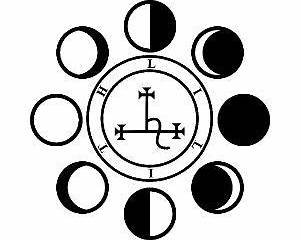
The Lunar Synod
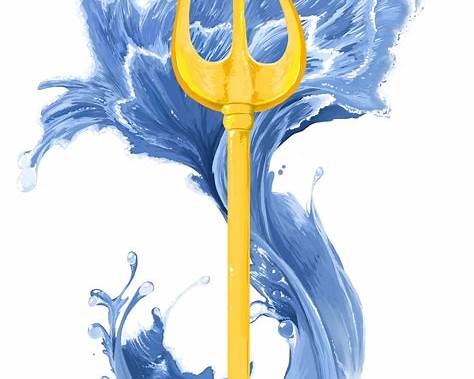
Tidemother’s Cloister (Vaelar Worship)
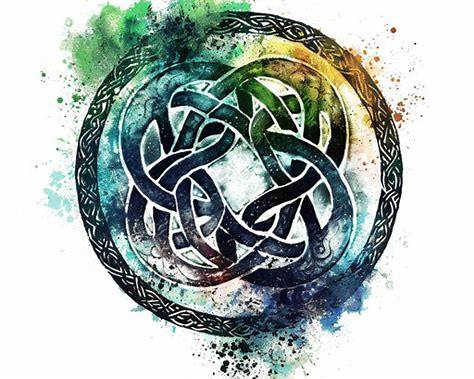
The Verdant Circle (Merynth’s Order)

Comments