
Races of Aelas
Common Races
Common races are the species of mortals who can be found in great numbers across Aelas. Were you to pass one of them on the street, it likely won't raise an eyebrow, as you've grown up around them most of your life. If you think about it, you'd probably be able to identify numerous individuals of these racial backgrounds by name, whether they be historical figures, famed adventurers, or personal acquaintances.
Dwarf
Many peoples have claimed a lineage spanning back to the dawning days of Aelas, but only the Dwarves have the history books to prove it. To be a Dwarf is to come from perhaps the most primordial and ancient culture in Aelas. Dwarven realms are older than leaf, older than scale, and if the tales are true older than light. Most pure-blooded Dwarves live and die in the city they were born in, some never stepping foot outside its cavernous limits. Because of this, there aren’t many bastions of Dwarven civilization, but the few city-states that exist are dizzyingly sprawling and unprecedentedly populous. The ancient city-state of Beza is hewn from the interior of the enormous Mount Beza, the world’s largest mountain. It spans from its peak, and descends miles below to the stygian realm beneath the mountain’s roots. It has grown for over twenty thousand years, and is currently the largest and most populous city in Aelas.
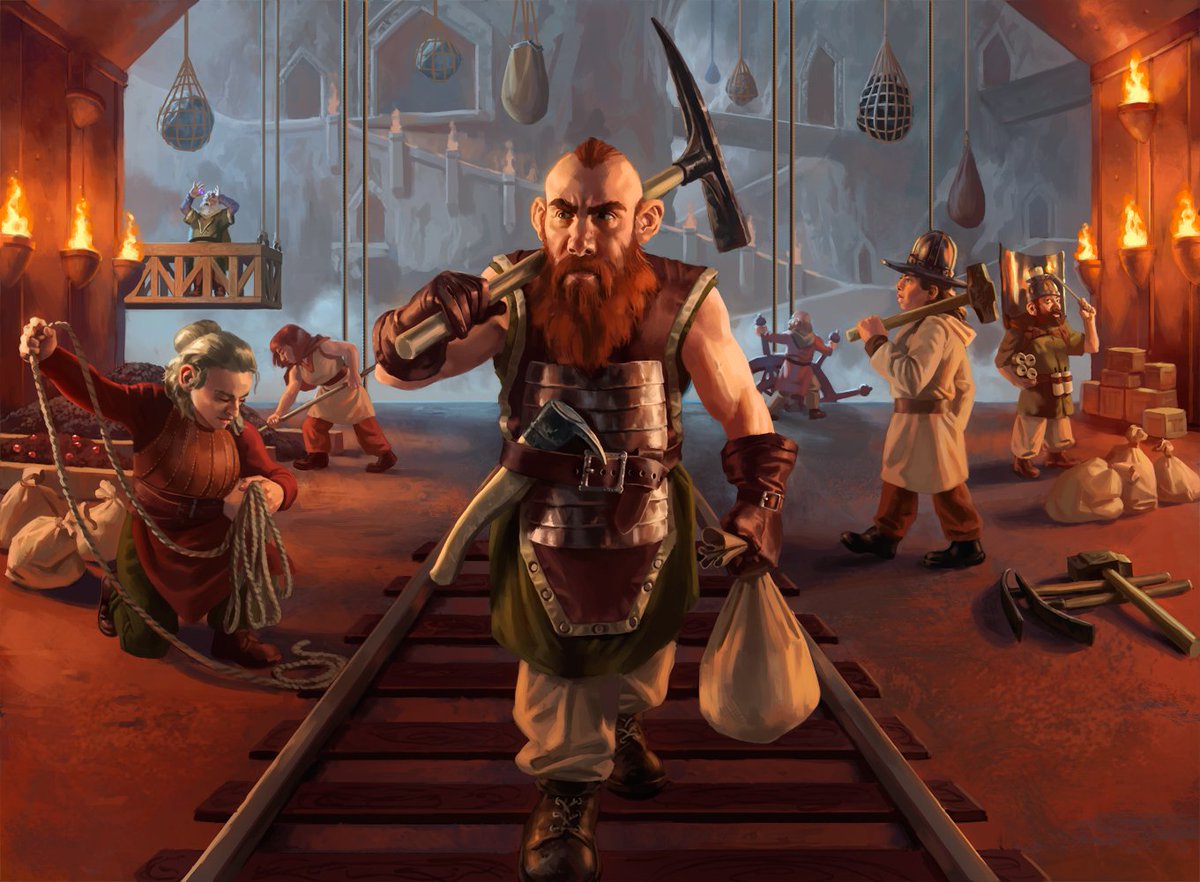
Dwarven nations prefer to stay out of international conflicts, trading in peace with their neighbors and engaging in generations-long excavations deeper beneath their own lands. Neutrality is an expectation of Dwarven monarchs, and as such they are typically the peacebrokers between nations during the waning days of wars.
Glory, fame, and renown have followed the exploits of famous dwarves but few have the inclination to seek it out, valuing craftsmanship, stability, and tradition over glory and adventure. Like in many other stories, Dwarves find themselves as the great smiths, miners, and alchemists of the world. The architectural workings of the dwarves, in addition to their artistic merit, are so durable that some homes and structures over twenty-thousand years old are still in use today.
Dwarves were unaffected by The Four Agonies.
Elf
Among the most ancient and long-lived Races of Aelas, the Elves are guardians of nature and its magic. Full blooded Elves are more prone to travel outside their homelands than Dwarves or Tritons, but they aren’t as keen to leave the safety of elven civilization as humans would be to travel from their homesteads. For thousands of years, Elves have made their cities and forests a paradise for their peoples, and who would want to leave that behind for some smelly Hammersong one-bedroom overlooking the Tar’Kwen?
Elves are deeply connected to the wilds of the world, and believe in preserving the perfection of what the gods created, and building on it as little as possible to ensure Suniria's vision. Most Elves worship her as their patron god.
Elven culture is deeply afraid of death. Mentioning it is a taboo, and euphemisms are preferred to speaking of it directly. Elven society is steeped in principles of perfection, extreme longevity, and unending beauty making the finality of life especially dreadful to their people. In addition to this, Elves believe their spirits are unable to leave the site of their corpse unless they are buried in the soil of their homeland. This makes the prospect of dying far from home terrifying for elvenkind. Despite this, Elven warriors and adventurers, don't lack for courage in battle. They were among the many races affected by The Four Agonies which arose out of the Lich War. As a consequence, their life expectancy has been halved to an average of 400 years.
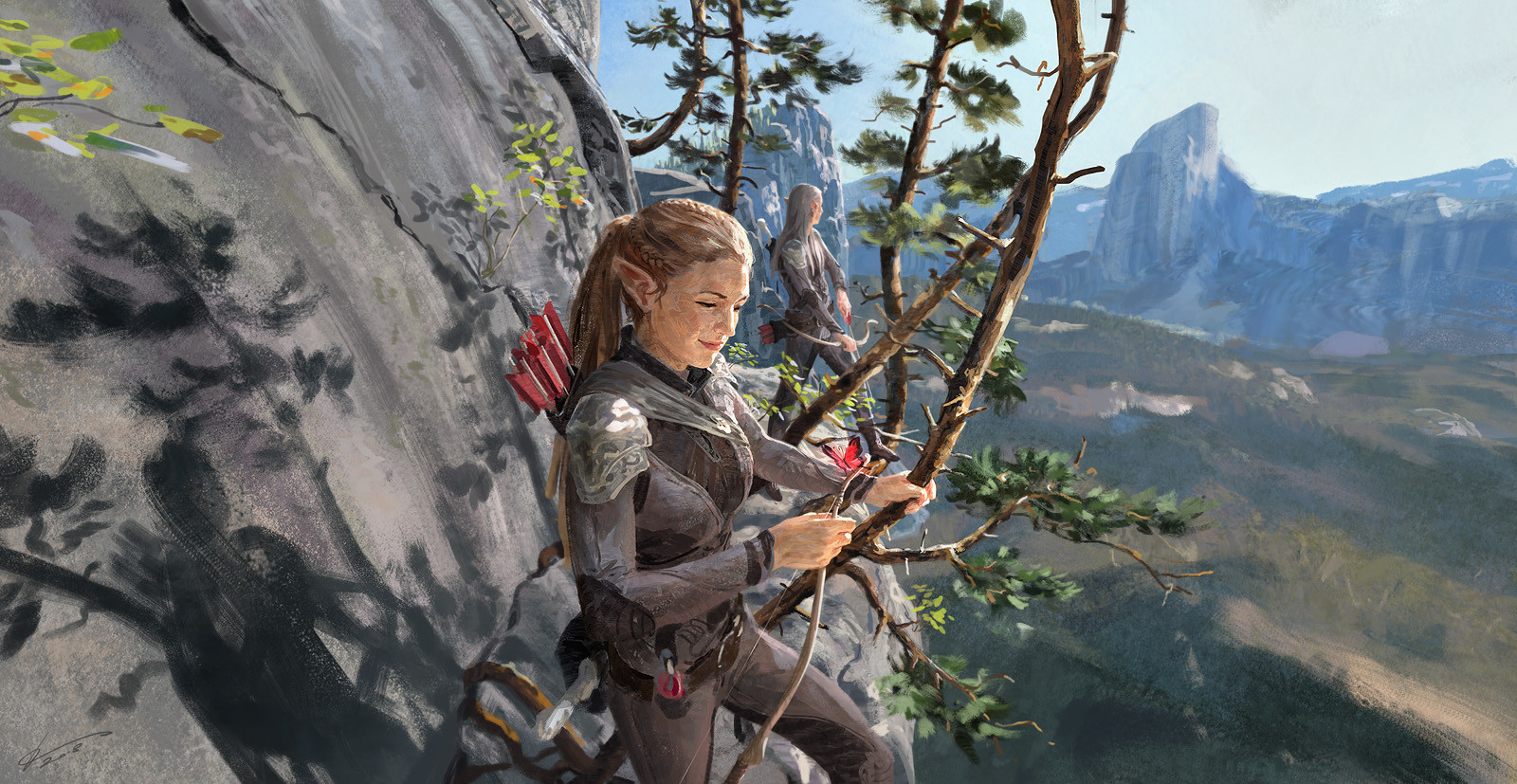
This halving of their life expectancies has caused a flood of collective misery and dread in the elven realms. Less and less elves travel beyond the safety of their sequestered cities, while a select few have been motivated to quest for the return to their old longevity. Related to this, every Elf has an important role they assign to a trusted relative or loved one called an Etheyeler or Soulfetch in common. Upon an Elf's death, an Etheyeler is responsible for bringing their remains to their homeland to be buried, wherever they may have died. This way they are guaranteed to have their soul find rest, even if they perish far from home.
Genasi
Human bloodlines have long since been intertwined with the elemental powers of the world or united with powerful djinn in Aelas' distant past. The children of these bloodlines have been party to numerous cultures, kingdoms, and empires over the millenia, although there are few places in the world where genasim are the majority. Most genasim will find themselves embedded in larger Human civilizations, particularly in the Seven Sands or the Gulf of Sirens, although they can be found scattered around Aelas and the four outlands.
They were among the many races affected by The Four Agonies which arose out of the Lich War. As a consequence, their life expectancy has been halved to an average of 60 years.
Air
The most common genasi subtype in Aelas, the Air Genasi once were the royal sovereigns of several small desert kingdoms, before the empire of Adravas destroyed their civilizations one by one, and scattered their peoples to the four winds. Nearly all Air Genasi are descended from ancient royal families whether they are now wealthy or destitute. What remains of their lost power can be found in two desert tribes. One is the kingdom of Surush, where they comprise the royal house of Ruzereth. The other, is the nomadic Galenock Tribe, a mostly Human nation where a minority of Air Genasim have served as the nation's warriors, monks, and many of its elders who lead bands of their people. While they are few in number, Air Genasim are enormously influential religiously, politically, and culturally in the Seven Sands. Many who revere Manaria in the Seven Sands see them as touched by the holiness of Manaria, as though they themselves are children of the sky.
Earth
Earth Genasi seldom leave the place of their birth. They feel a deep connection and kinship to the land of their home, and many dedicate themselves to the protection of it whether that be their hometown or nation. They are rarely seen outside of two places. One if the desert island nation, Sasir, a barren patch of sand rich in tin ruled by an ancient line of earth genasi kings. The other is the Fryst, an extremely remote city-state separated from the rest of Aelas by thousands of miles of desert, towering mountains, and a ring of impenetrable walls. Their affinity for minerals and stone, and their comfort underground makes them a significant mainstay of the Dwarven cities of Shamir and Beza. Once, many dwelled in the city of Erevel before its fall during the Lich War 20 years ago. Some survivors seek to plumb its crystalline depths and restore the city to its former glory.
Fire
Fire Genasim are the rarest Genasi to find in Aelas. There are legends of explorers and sailors finding large populations of them where the maps stop, in the Godless Lands east of Aelas and the deep jungles of Velda south of the Mestran Sea. Poorly understood, associates with far off lands, and naturally talented in pyromancy the Fire Genasi have garnered a feared reputation for their great power and their volatile moods. Many in Aelas are wanderers and because of their rarity, can go their entire lives without meeting another of their kind. They are drawn to power and seldom shy away from conflict.
Water
Water Genasim can be found found wandering the tides and reefs of the Gulf of Sirens. Unlike the earth or air subtypes, Water Genasi have no great lineage to claim, nor ancient and storied heritage. They appear seemingly randomly across the coasts of Aelas. Their amphibious or fishy appearance causes them to be distrusted or even reviled by superstitious coastal peoples who were raised on legends of malevolent sea creatures and evil denizens of the deep. Because of this, many have made homes for themselves as hermits in the remote Scythe Reefs, where even experienced sailors fear to journey. Regardless of the circumstances of their birth, many are drawn by some spiritual pull to the seas and great lakes of Aelas.
Goblin
Goblin and goblinoid folk like Bugbears and Hobgoblins are among the least in tune with the institutions of civility and society. More than any mortal race of Aelas, goblin folk skew toward the attitudes of monstrous beings with none of the inherent malice.
They were among the many races affected by The Four Agonies which arose out of the Lich War. As a consequence, their life expectancy has been halved to an average of 50 years.
Gnome
Seldom seen outside the westernmost reaches of Aelas, gnomes have an innate connection to magic and the fey powers of the Sundown Lands. Many worship the goddess Leyentran as both god and queen. It is not uncommon to find that even an Aelas-born gnome will claim membership in one of the 9 known fey courts (nations of the sundown lands and Aelas ruled over by a powerful archfey).
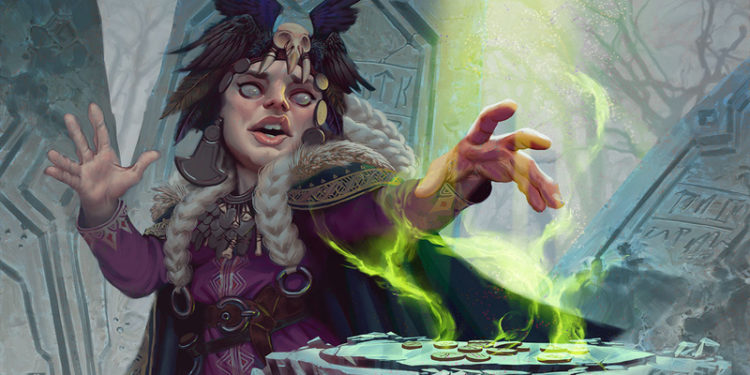
According to gnomish lore, they were once Human beings in ancient times. Leyentran, goddess of beauty and illusion, came to them with an offer, if they join her realm and swear fealty to her, she will give them the gift of long life, intellect, and arcane power. Those who accepted shed their humanity, becoming the race of gnomes. Gnomes are an uncommon sight in Aelas east of the Gulf of Sirens. While some have drifted from the fey-touched Sundown Lands over the centuries, it's rare for them to stray more than a week's journey from the gates of Realmguard.
They were among the many races affected by The Four Agonies which arose out of the Lich War, but significantly less so. As a consequence, their life expectancy has been reduced to an average of 300 years.
Halfling
Halflings claim to be descendants of gnomes who broke from the tyrannical rule of fey courts in the Sundown Lands, and were forsaken by Leyentran; who took from them the gift of long life, intellect, and their connection to magic. As a result of this they grew closer to the size they were before they became gnomes, becoming the Halfling Race. Despite the hostility of Leyentran in this ancient myth, most Halflings still feel a kinship with gnomes and reverence toward the fey gods, even if most don't worship them. Halflings are commonly found west of the Witherguards, in greatest numbers along the coast of the Mestran Sea. Halflings generally prefer a sedentary and calm life when compared to the wilder gnomes they claim descent from, but enjoy travel and exploration as much as any Human would.
The coastal city-state, Small Harbor, is the only halfling majority nation and city in the world. Despite having to regularly fend off raids from Fargaze bandits and marauding centaur tribes at their palisade gates, it is one of the safest cities in Aelas. Poverty is rare, and the city brings in a wealth of trade which sustains (whether directly or indirectly) every Small Harbor family. From the thriving waters of this haven, Halflings have cemented themselves as one of the most capable seafaring peoples on the continent. Small Harbor trade vessels can be seen in ports as far as The Laughing Sea and Zubelerekswatch. Halflings have a dearth of heroes, great warriors, or genius mages in their society when compared to humans, orcs, elves, and many other rmortal peoples of the world, yet living in a halfling village or Small Harbor is one of the better choices a commoner can make for their longevity, the contents of their purse, and the health of their spirit. Halflings excelled in creating a fair and just society, allowing few to slip through the cracks into squalor.
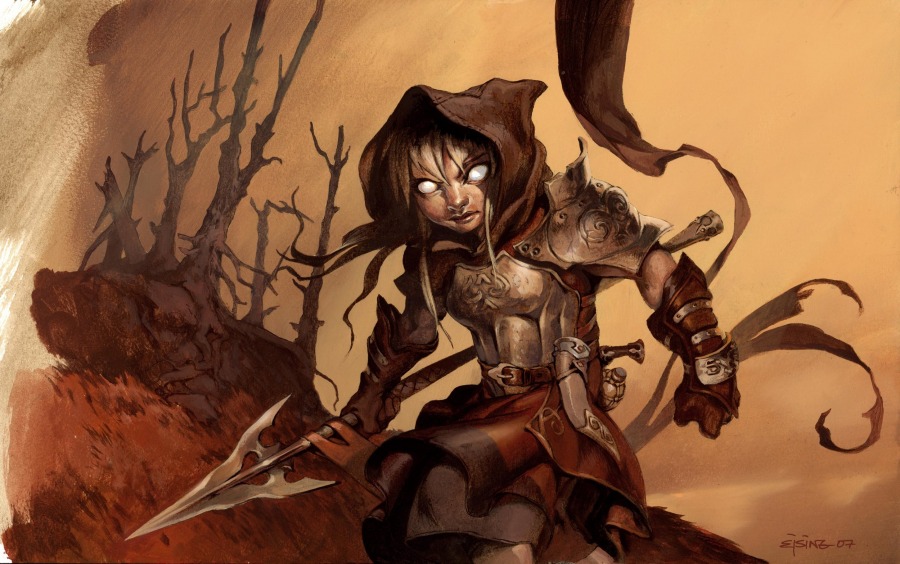
(Ignore the weird eyes, not all Halflings have no irises or pupils, I just love this picture)
Most Halflings worship the High Pantheon, following either Kazoreh, Goddess of War for her blessings of stability and law, and Azkarom, Goddess of Mercy from whom the majority of their generous philosophy comes from. Leyentran is a close third behind these other two. Religiosity is present but not intense i the city, save for a universal disdain of the centaur god: The Shepherd In The Storm. Many laws one can expect to find in the the empire of Liothe can be found in Small Harbor, including the common prohibition against forms of magic like necromancy and infernal conjuration. With a curious addition of a ban on horses within the city walls, after a cleric of the Shepherd in The Storm caused a traumatic incident in the city decades ago.
Many Halflings choose to name their children alliteratively, giving them the same letter first name as their last name.
They were among the many races affected by The Four Agonies which arose out of the Lich War. As a consequence, their life expectancy has been halved to an average of 75 years.
Human
Humans are the most common race living in Aelas, and can be found in nearly all corners of the globe. They can be found in nomadic tribes, vast empires, kingdoms, small villages, and living as hermits in the wilderness. Humans are among Aelas' most ambitious peoples, and have found themselves as the great deciders of the world's fate time and time again; either for good or ill. They are among the most influential peoples, while simultaneously absorbing several aspects of other mortal races' cultures: from magical practices to stew recipes. Humans have one of the shortest life spans among the races of Aelas. As a result of this they seem to have a better innate grasp of necromancy than the other peoples who share their continent by virtue of being closer to mortality.
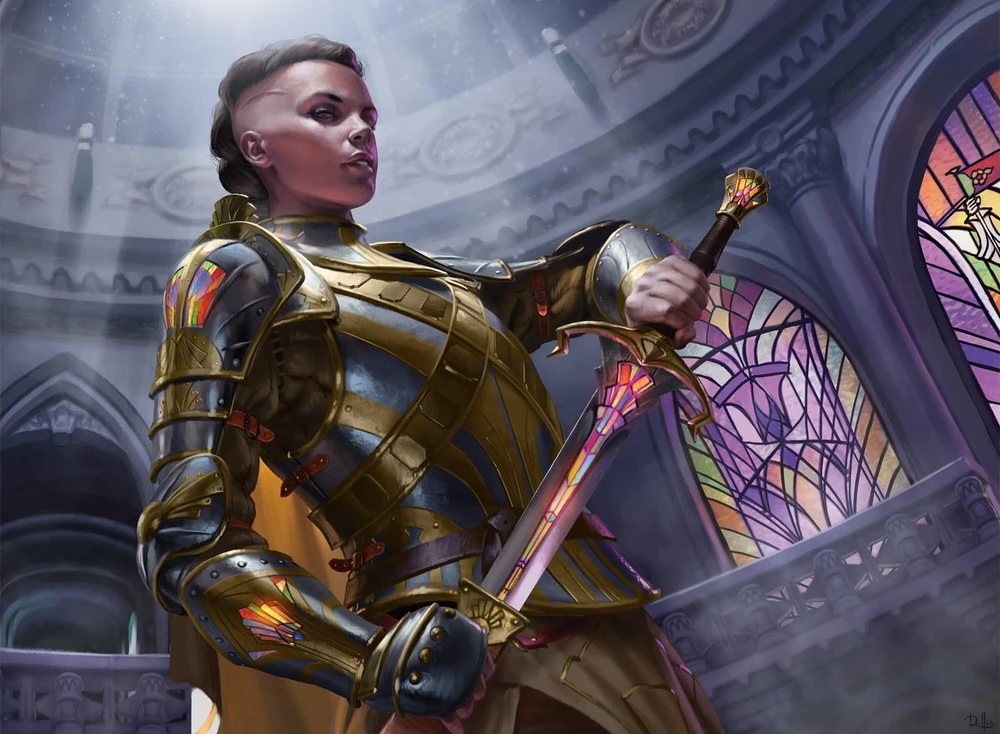
They were among the many races affected by The Four Agonies which arose out of the Lich War. As a consequence, their life expectancy has been halved to an average of 50 years.
Half-Elf
Half-Elves find themselves all over the world, even in places without elven nor Human societies. They are as attracted to big cities as they are to untouched forest groves. It's common to find them in the more powerful nations of Aelas like Liothe, Arthia, Kalsimer, and Bered.
Their natural Human curiosity mixed with their elven connection to nature gives them a confidence that rivals kings. A disproportionately high amount of adventurers and heroes are Half-Elves. They see themselves as the beneficiaries of Human ingenuity and elven grace.
Some struggle with being torn between two worlds, especially to their elven ancestries, which is typically more secluded and complex than Human society. Those of them who worship the high Pantheon hold Azka to be an equally holy place to Holy Baelgarde, whereas humans tend to revere Holy Baelgarde over Azka, and elves are the opposite.
They were among the many races affected by The Four Agonies which arose out of the Lich War. As a consequence, their life expectancy has been halved to an average of 90 years.
Half-Orc
Half-Orcs often find themselves torn between two worlds. Nearly half of all Half-Orcs grow up in one of the five orc tribes, the rest live in racially diverse lands like Liothe, Kalsimer, or the Siren Cities. Many of these Half-Orcs who live outside the tribes still have close links to their heritage. Orcish and Human value are often at odds, and many Half-Orc finds life within Human civilization too stuffy and constrained, and within orcish tribes life can be too harsh and bloodthirsty for their liking. Half-Orcs experiencing these problems can feel awkward in the society they're a part of. Because of this, many find themselves as wanderers, traveling from land to land in search of purpose or contentment. Despite the difficulty adapting, and the feeling like one is always out of place, Half-Orcs have fully integrated into numerous societies all across Aelas. They are most numerous in the Seven Sands, where Half-Orcs descended form the Firewind tribe have found homes in every corner of the continent east of the Witherguards.
Depending on their tribal lineage, a Half-Orc may have a harder time integrating into broader societies, like for example if they were descended from the dreaded White-Arrow tribe, they would likely be distrusted by many nations bordering the Witherguards.
They were among the many races affected by The Four Agonies which arose out of the Lich War. As a consequence, their life expectancy has been halved to an average of 40 years.
Orc
Orc society is divided into five tribes across the land of Aelas. Orc tribes vary in their openness to the other mortal races from the Firewined being entirely intertwined in numerous neighboring cultures simultaneously, to the extreme seclusion of the Shatterblood who emerge from their cold mountain realms only to wage war. It isn't uncommon for Orcs to take a Human spouse, who is then inducted into their tribe, which is why so many tribes have large minorities of Half-Orcs. As such all who grow up under these tribes are instilled with the same ancient and often harsh values. To an orc, becoming a warrior is a mandatory part of growing up. Those who never learn to fight had better be a priest, shaman, or dead. Otherwise they are no orc at all. In the orcish tongue, the word for orc and the word for warrior are the same. One can have a trade outside of battle, but lacking fighting experience, or worse yet being a pacifist, is a humiliating cultural stigma. Most orcish tribes won't take you seriously as a warrior or a leader, unless you've taken at least one life in battle.
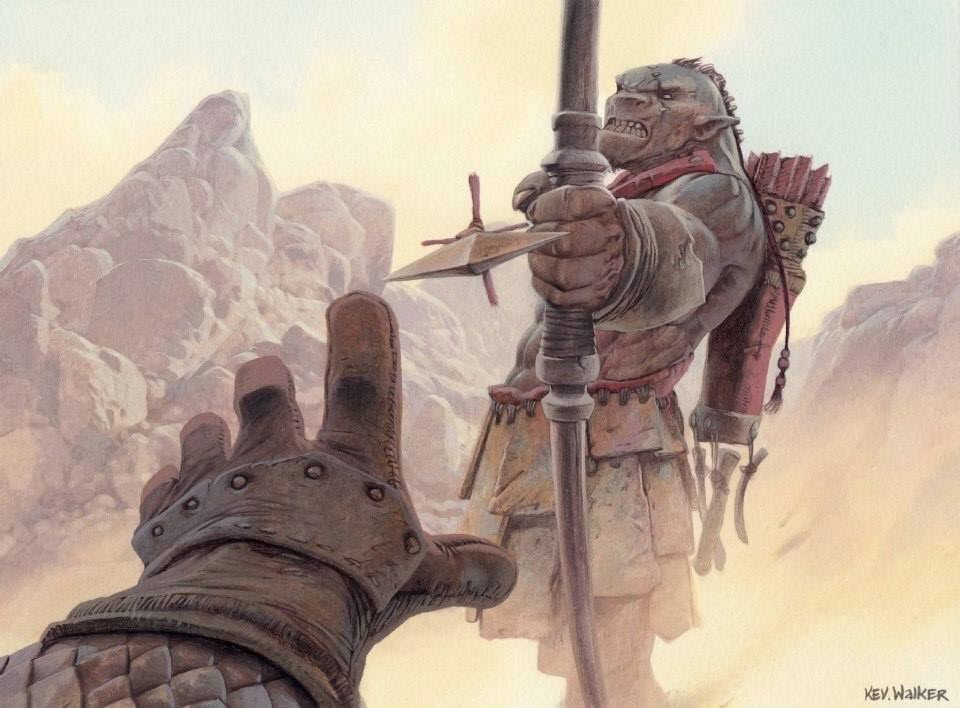
Orcs have the shortest life span among the races of Aelas. As a result of this they seem to have a better innate grasp of necromancy than the other peoples who share their continent by virtue of being closer to mortality.
They were among the many races affected by The Four Agonies which arose out of the Lich War. As a consequence, their life expectancy has been halved to an average of 35 years.
Fargaze Tribe
The three clans of the Fargaze share a sorcerous gift of divination passed down from parent to child since the genesis of their people. It is called Bloodsight, and while not common to every Fargaze, is a talent that shows up in every village and nearly every family at least once. Most of the Fargaze worship Tar'Kwen, a river spirit who dwells in the eponymous Tar'Kwen river, the most holy place to their people. She is goddess not only of the waters there but of fate, and the bloodsight was her gift to the first shamans of their tribe. The bloodsight made these orcs incredibly powerful long ago, as they were able to augur the outcomes of possible battles and predict the movements of their enemies. They dominated the Far Grasses, but today are only a shadow of their former glory. Endless wars with the centaur tribes, the empire of Liothe, and the rigors of the Four Agonies have greatly diminished their numbers and power. Only a few thousand Fargaze orcs remain to this day, most of whom have taken shelter in the Crystal Hills, the ancient home of their Hill Clan, that now hosts refugees of the mystical River Clan and nautical Shell Clan. The Lion Clan, is almost extinct, with only a handful of survivors after a brutal overnight attack by a mysterious entity wiped almost all of them out. The Lion Clan tames and sometimes rides lion companions.
Firewind Tribe
The largest of all orc tribes, the six Firewind clans are scattered across the Seven Sands. They are a culture of survivalists, explorers, rangers, and nomads who can survive the harshest conditions of the world's most unforgiving deserts and thriving. Their mastery over the harsh deserts make them invaluable to the nations of the Seven Sands as guides, guards, couriers, cooks, and mercenaries. Because of their essentialness, the Firewind have been able to ingratiate themselves to just about any of the Seven Sand's diverse cultures. Most orc tribes have a difficult time with diplomacy toward neighboring peoples. The Firewind excel at it, and many even grow up in other non-orc tribes of the Seven Sands. When Firewind come of age, they are sent into the harshest part of their clan's desert lands, to survive alone for a month. Should they succeed, they are a fully fledged member of the tribe, and may return. The Firewind's religion iscentered around exploration. They believe the world to be a disc, bounded on all six sides (east, west, above, below, north, and south) by a cosmic and arcane substance called aether. It is believed that when aether is collected from all six corners of the world, and brought to their holy lamp in Mount Urizkaz, it will bring about an age of prosperity, glory, and long life for all the world. They have six living clans: Shimmer Waste Clan, Lostlands Clan, Laughing Coast Clan, Venomwilds Clan, Sageheart Clan, and the Wicked Isles Clan. The Nightfire Clans were exterminated by the White-Arrow Tribe, and the Silverspire Clan faded away into history and what was left of them assimilated into the Firewind Tribe.
Scaleskin Tribe
The Scaleskin are the smallest orc tribe in Aelas. A shy and secluded swamp folk, the Scaleskin make their home in the deepest and most mosquito-bitten fens of The Blightmire swamp. Unlike the other orc tribes there are no clans and bands to be divided down to below the tribe. There are no villages nor settlements. Most live individually or in small families. There is no ruling hierarchy, and most spend their entire life in the uncharted muck of the labyrinthine Blightmire. The Scaleskin, unlike the other tribes, are seldom known to raiding, preferring to trade with their neighbors before disappearing into their hidden home deep in the swamp. They get around the treacherous swamp by breeding, taming, and riding giant toads. When the Scaleskin come of age, they are sent on a quest to find and tame a wild giant toad. This giant species of toad typically have longer lifespans than they do, and are their companion and mount for life.
Shatterblood Tribe
The Shatterblood Orc clans deeply hate and distrust each other. Few other peoples have been able to eke out an existence in the freezing mountains of Darkwinter Heights. No Human or outsider is allowed to join their tribes, although many Shatterblood Villages will allow outsiders to visit, but only for a short time before throwing them out into the cold. Shatterblood people are divided and defined by their deep religious zeal. Each of the four clans worships and is named for a different patron god. These gods are unique to the strange peoples of Darkwinter Heights. You won't find a single worshipper of the High Pantheon among their villages and strongholds. Food is extremely scarce in these harrowingly freezing lands, leading scholars to wonder how often the four clans resort to cannibalism and man-eating to stay alive. The four clans are: The Gulol Clan, The Deva Clan, The Faristos Clan, and the Great Father Clan.
White-Arrow Tribe
White-Arrow orcs are the most feared and universally hated of all orc tribes. Both clans (Snow Clan and Cinder Clan) live in the Witherguard Mountains, regularly making raids on their neighbors of Bered and Kalsimer. Oftentimes these orcs will take captives, and bring them back to their mountain homes, where they will flay their skins for leather, sinew for bowstrings, and harvest their bones to craft weapons. Their name, White-Arrow comes from the bones of their enemies they carve into bows and arrows. It has garnered them a terrifying reputation, and afforded them very few allies in Aelas. White-Arrow orcs are typically laden head-to-toe with tattoos, preserving their ancestors' names so that their bloodline is always honored from generation to generation. Like the Razih Tribe of the Shimmer Waste desert, the White-Arrow have a unique tradition of necromancy. Balak Ur, or Ghost-Drinking is a martial art and spiritual practice. They will steal the souls of their dying enemies, store it in a gourd, and imbibe them to give them a berserker strength, strange necromantic powers, and inhuman rage. When the White-Arrow come of age, they are sent on a quest to find a warrior or creature of considerable power, slay them, and craft their first weapons from their bones. Once upon a time, there was a Wolf Clan, who tamed wolves for battle, but they were killed off, possibly by a war with enraged hill giants.
Tiefling
The origin of the Tiefling race is shrouded in mystery. Some posit it was an ancient coupling between the demon king Ganhurai and a Human woman. Others say it was spawned from an infernal curse. Most Tieflings would tell you they are direct descendants of Jahurai, god of fire. Dozens of rumors, all of them likely untrue, float around about where Tieflings come from, but few can deny their infernal origins. Tieflings are an uncommon folk to see on mainland Aelas, with the majority of their earthly population living on the tropical island of Kestu. Once upon a time they were feared and despised as beings connected intrinsically with evil and the wickedness of demonic forces. As a result of this, few of the realms of Aelas have known a Tiefling population to be permanent. Rightfully suspicious, when the Tiefling community smells trouble, they pack their bags and move; typically southeast, closer to Kestu.
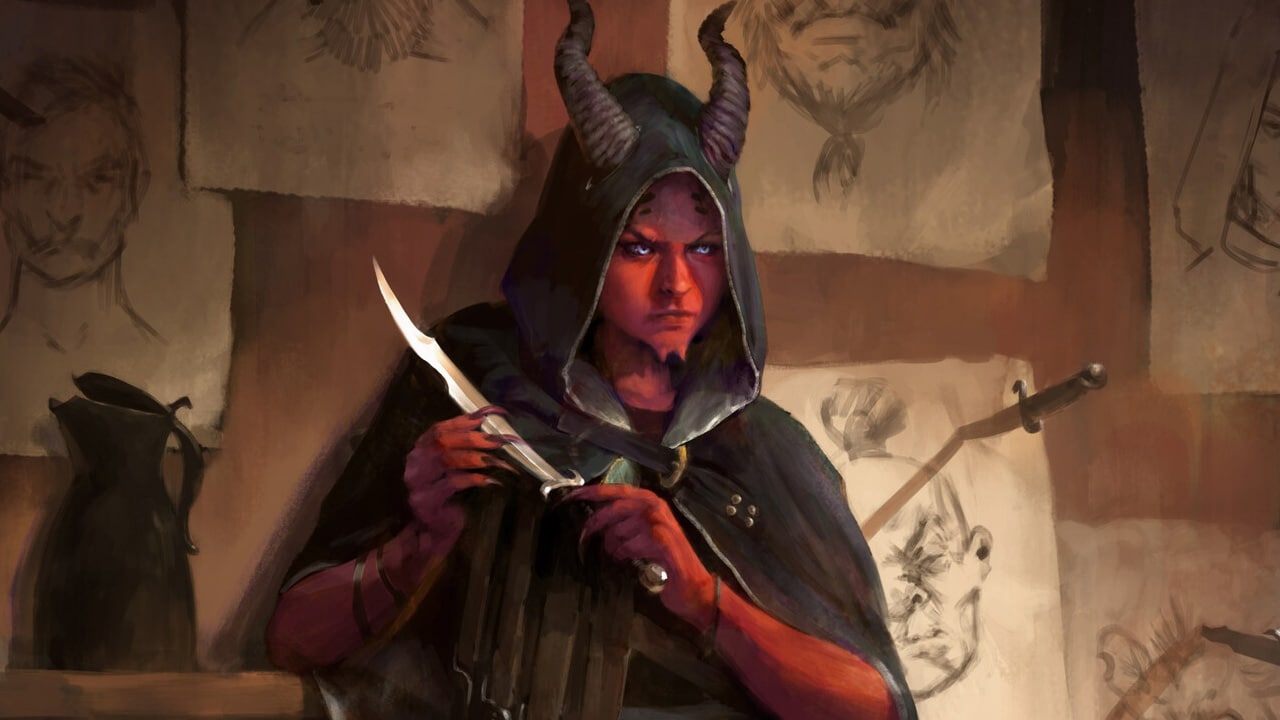
This age brings with it many terrors, however, prejudice against Tieflings has largely waned in Aelas in the last forty years. This is in large part due to the actions of Tiefling heroes who saved millions from peril like the Songborn paladin, Dame Constance of Ashenbark, and her daughter the Songborn archer Midnight of Ashenbark. Their feats against the threats from the Burning Ray, The Fevered Ones, and the Lich War have been immortalized in song. Many Tieflings in Aelas are burdened, feeling the need to keep the legacy of heroism alive for their people, or face revulsion once again from their neighbors.
Another influence that pulls on them, although most would not care to admit it is a fascination with fire. The older Tieflings grow, the more passionate their fascination becomes. In those with wicked hearts it blossoms into pyromania, and not uncommonly.
Outside of Aelas, Tieflings are among the most common races of the southern land of Velda according to stories from sailors.
They were among the many races affected by The Four Agonies which arose out of the Lich War. As a consequence, their life expectancy has been halved to an average of 75 years.
UNCOMMON RACES
Uncommon races are the mortal species who go most of their lives without being seen. Whether these folk are rare in Aelas, have wildly different cultural values than the majority of mortals, or confined to one small region, encountering these peoples are memorable experiences for the average commoner, not to mention a filthy flea-bitten inbred peasant like yourself. When one of these people enters a city, all eyes fall on them. Whispers and unwanted attention follow them if entering most towns and cities. Some of them are so furtive as to be considered purely mythological by most Aelas commoners. From the godlike to the monstrous, those who descend of these races all share the feeling of being a stranger in a strange land.
Choosing one of these races will affect your character's gameplay most likely.
Aasimar
Aasimarare extremely rare in Aelas. Entire generations go by where not a single one walks the earth. There may have been many once, when the gods of the High Pantheon walked among mortals, but today there are only a handful. They characteristically do not reveal themselves for what they are, and most are able to pass for other mortal races, typically humans. They are touched by celestial powers from beyond, and are imbued with divine favor. Most are beautiful, charismatic, and naturally strong. Most Aasimar come from a human lineage with a celestial bloodline. Nearly all Aasimar follow the High Pantheon and favor one of the four goddesses: Ilarom goddess of light, Azkarom goddess of mercy, Lunoreh goddess of the moon, or Kazoreh goddess of the sun. Aasimar are typically deeply religious and many find themselves as priests, monks, or clerical figures of some kind or another. Some have claimed they are descendants of the gods' servants like angels, planetars, or deva. Others go as far to say they are demigods, whose ancient ancestors are the goddesses which belong to the High Pantheon itself. Regardless of their heritage, all Aasimar are born with a strong moral compass and sense of deep purpose. They feel that they were put on this earth to accomplish a something specific, and the older they get, the clearer their purpose becomes. Most will quest for the entire lives to fulfil this divine quest, even if it costs them their lives. A small few reject these urges and responsibilities, opting instead to live a normal mortal life.
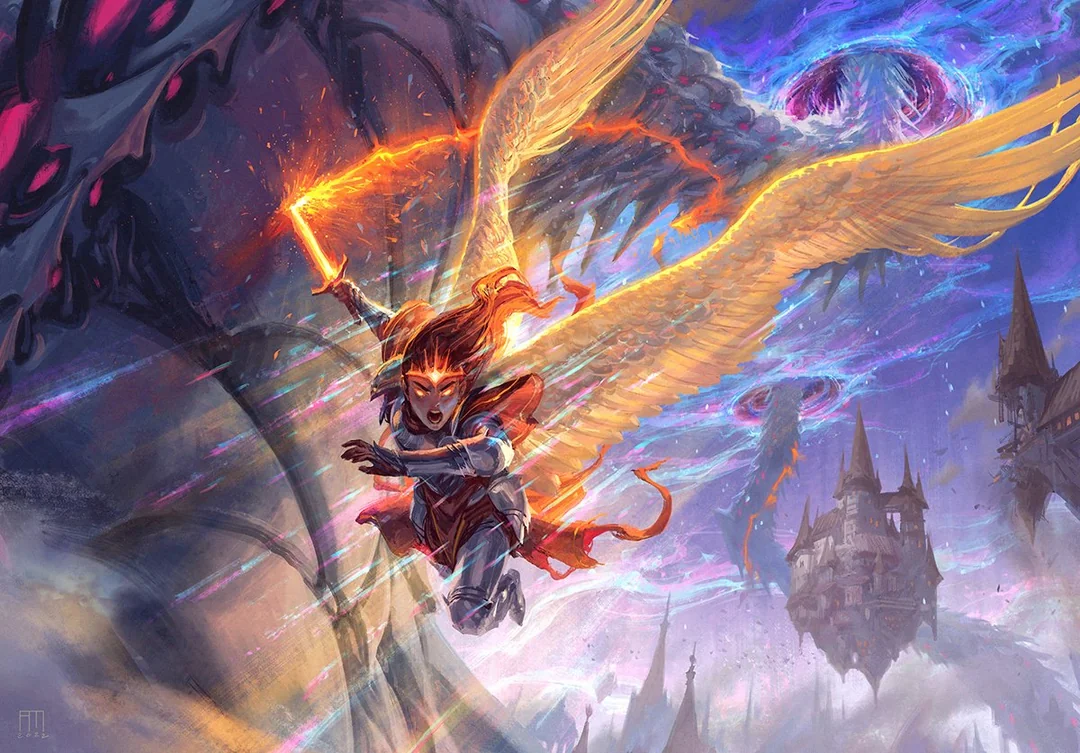
The Four Agonies were such a traumatic experience for the Aasimar that less than half of them survived the Lich War, regardless of whether or not they saw combat. Those Aasimar who survived were critically affected. Their lifespan was not halved, but quartered to around an average of 35 years.
Centaur
The centaur race is an ancient one, spanning back eons, and all without any significant arm of their civilization ever leaving the Far Grasses. To this day, few centaurs of Aelas ever elect to leave their nomadic tribes to travel the world. Even fewer are seen wandering down a paved road or under a city gate. Most are fiercely loyal to their peoples, devaluing the life of all mortal creatures below their own, including the centaur of enemy tribes. This hostile warrior-culture has turned nearly every centaur tribe into a feared and dangerous nation. Humans, orcs, halflings, elves, and all other peoples who inhabit the Far Grasses know firsthand the power, speed, and unmatched tenacity of the centaur from millenia of conflict.
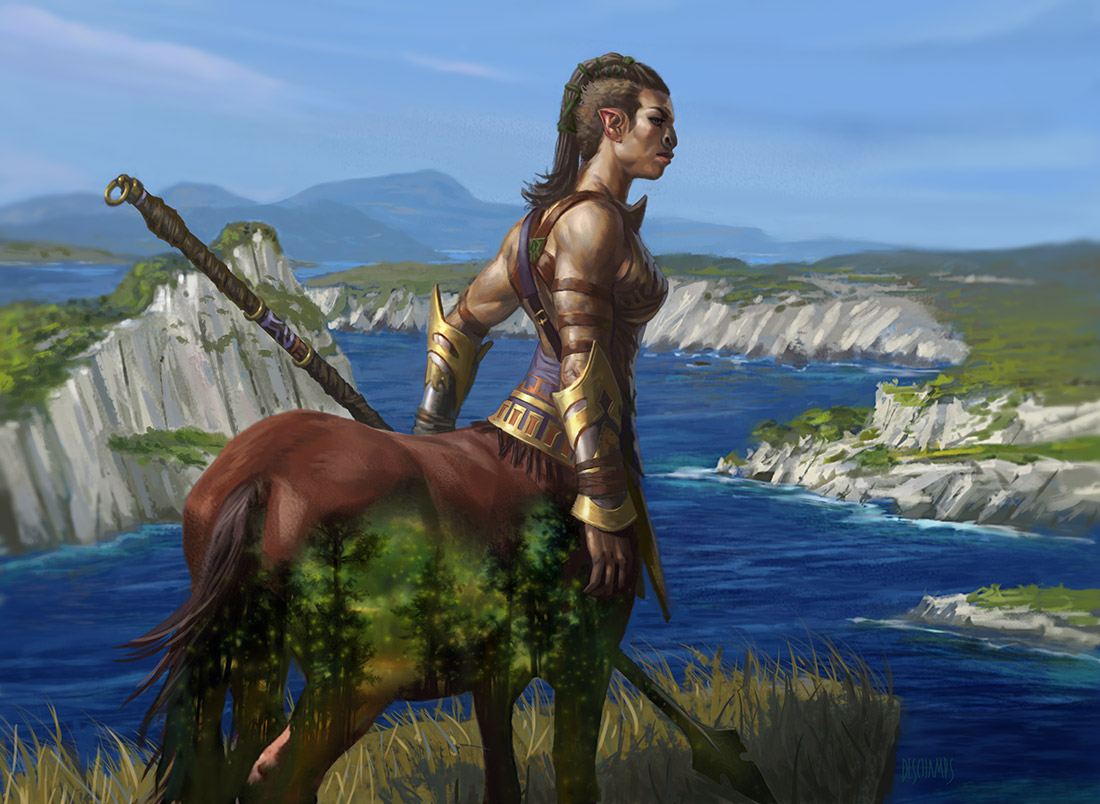
They were among the many races affected by The Four Agonies which arose out of the Lich War. As a consequence, their life expectancy has been halved to an average of 50 years.
Changeling
Changelings are rare to the point where most are dubious of their existence. There are little more than a couple hundred in all the world. Given their small numbers and how widely spread out they are across the continent, there is no changeling culture nor civilization. Most changelings who remain in Aelas will live their whole lives without ever meeting another of their kind. They are usually born to single parents, arriving at the doorsteps of single men or born to single women. If they are not single, then in all cases, infidelity had occurred from one of the Changeling's parents.
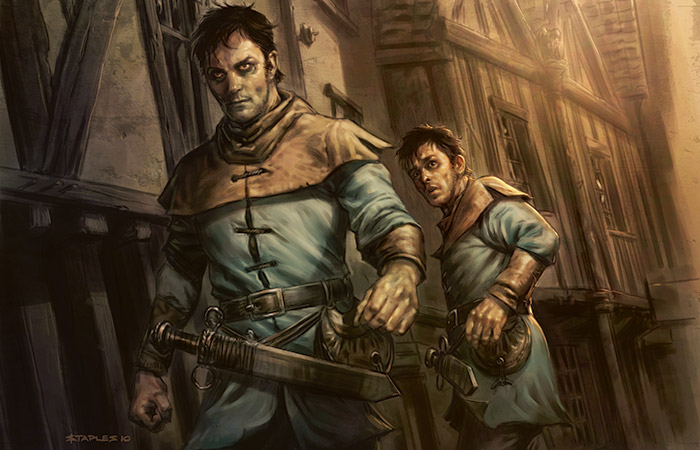
Changelings seldom display their true form, preferring instead to hide in a handful of guises with one signature appearance that becomes a second-skin for them. Changelings reveal their true form willingly, only to those who are like family to them. Their innate shapeshifting powers combined with their unique appearance, sans disguise, makes them the subject of suspicion among those who believe in their existence. There are legends of changelings who have been "unmasked" and promptly tortured into confessing to crimes they never committed, or being driven out of town for their freakish nature.
Changelings share a nocturnal phenomenon called Sundown Dreams. Every few nights, they experience a recurring dream of a voice calling them west to the Sundown Lands. Even if they have never been there, or know not the way, they're aware this voice is calling them home. In these dreams they journey west, sometimes crossing the Sundown Sea and entering the enchanted woodlands beyond. For hundreds of generations, these dreams have continued, and the voice never differs from Changeling to Changeling.
Changelings were affected by The Four Agonies. Whatever race they are born to, they will live to half that race's life expectancy if that race was affected by The Four Agonies.
Dhampir
The existence of the Dhampir is deeply obscure, and their numbers are very small. Beyond the Dhampir themselves the only kind of people familiar with them are scholars of dark powers, shadowhounds, paladins, and the Briarguard. They can be either born or made. Some come in contact with a vampire, some descend from one, others have a different connection to vampirism even without coming in direct contact with one physically.
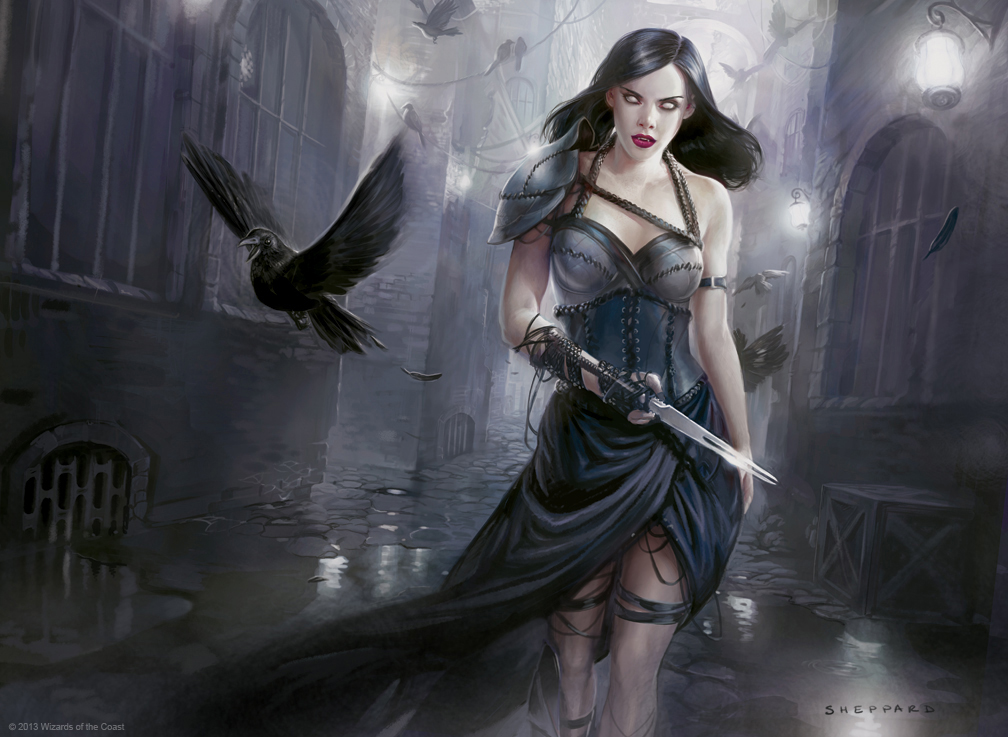
Dhampirs do their best to keep their true nature hidden, lest they be the subjects of torches and pitchforks. Vampiric hunger, while not as compelling in full vampires, is present in Dhampirs and tempts them to prey on the living constantly. Those who resist live their lives in a constant struggle against the craving, but unlike vampires are able to subsist off of regular meals without feeding on mortals. Many seek to find ways to cure themselves of the hunger, or lift their curse entirely.
Dhampirs are not accepted by any society in Aelas outside of Halfmoon. If their existence becomes known, most assume they are a vampire, and seek their destruction. Some are being hunted and tracked constantly by Briarguard or shadowhounds.
Dhampir were unaffected by The Four Agonies.
Dragonborn
In ancient times the Dragonborn weren’t so rare a sight as they are today. Many called the Dragonbone Desert their home, and thrived in the kingdom of Adravas. They were priests of the dragon spirits that guided the Adravasi, rulers of ancient Ssoga, and keepers of the isles on the Sea of Kova. Legend has it that the Far Grasses were ruled by them in days gone by. Their glory once covered all the earth. However, over the course of millenia, it ebbed. Their numbers dwindled, and the mighty structures that once professed their greatness became hollow halls, and moss-covered ruins. The dragonborn still persist, but their numbers and their influence are greatly diminished in Aelas.
Most dragonborn still speak Draconic or the Adravasi tongue that descended from it.
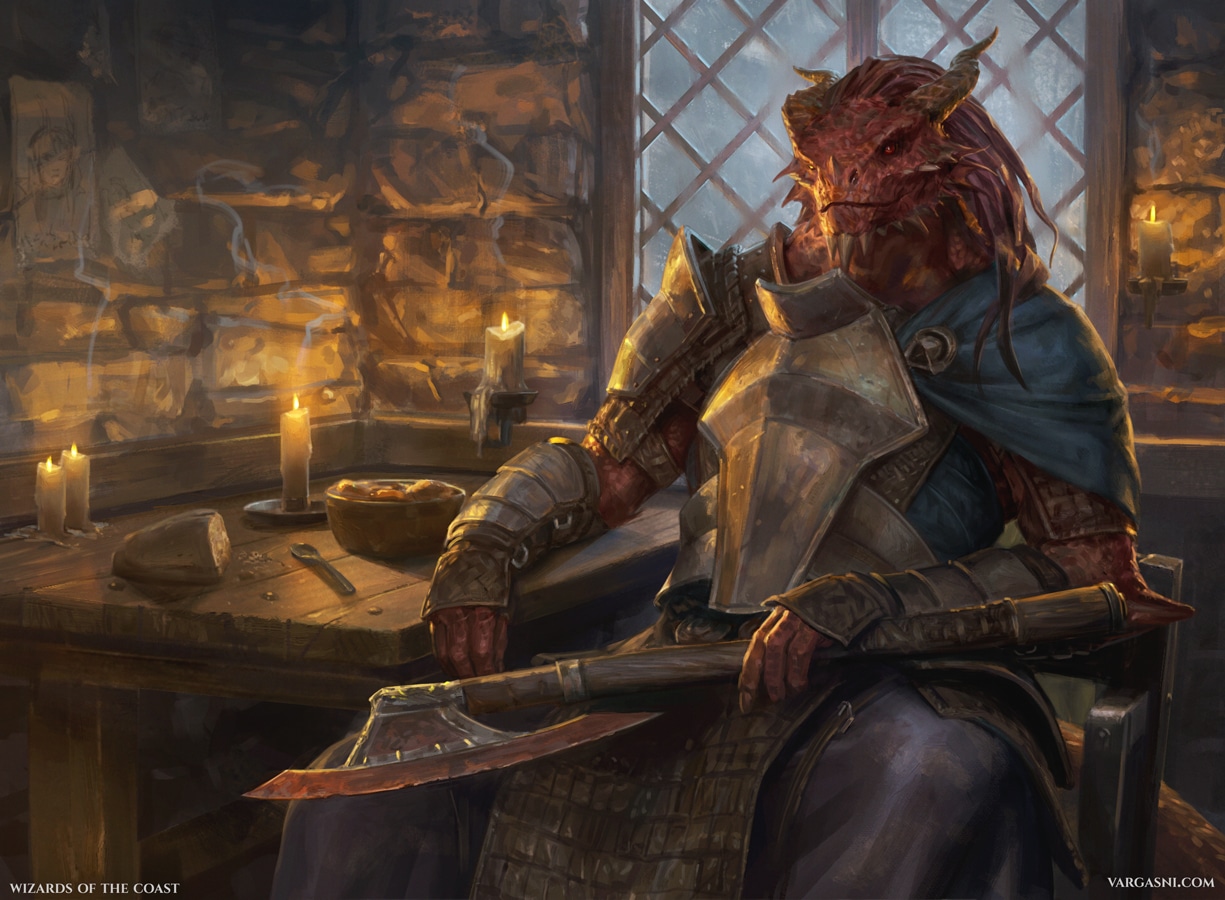
The dragonborn are a rare sight in Aelas, but when they are spotted, commoners and nobles alike hold their breath in awe. To those who know the ancient tales of better days, it is as if for a moment their old glory returned.
They were among the many races affected by The Four Agonies which arose out of the Lich War. As a consequence, their life expectancy has been halved to an average of 50 years.
Fairy
Seldom seen in the lands of mortals, these spritelike beings are native to the vast continent of forest west of Aelas called the Sundown Lands. These diminutive folk are devout worshippers of the goddess Leyentran, and unfailingly loyal subjects to one of the nine known fey courts. They are obsessed with beauty, arts, and have endless curiosity for the glamorous and novel world around them. When they're seen in Aelas, it's typically quite rare. Few leave the glorious Sundown Lands and their unending beauty. Especially when given the other option, to travel the sewage-scented streets, diminishing forests, vast wastelands, and fetid heaths of Aelas. When they do, it's usually for good reason, sometimes they have been sent there by their fey court. Other times they go on a quest for something personal.
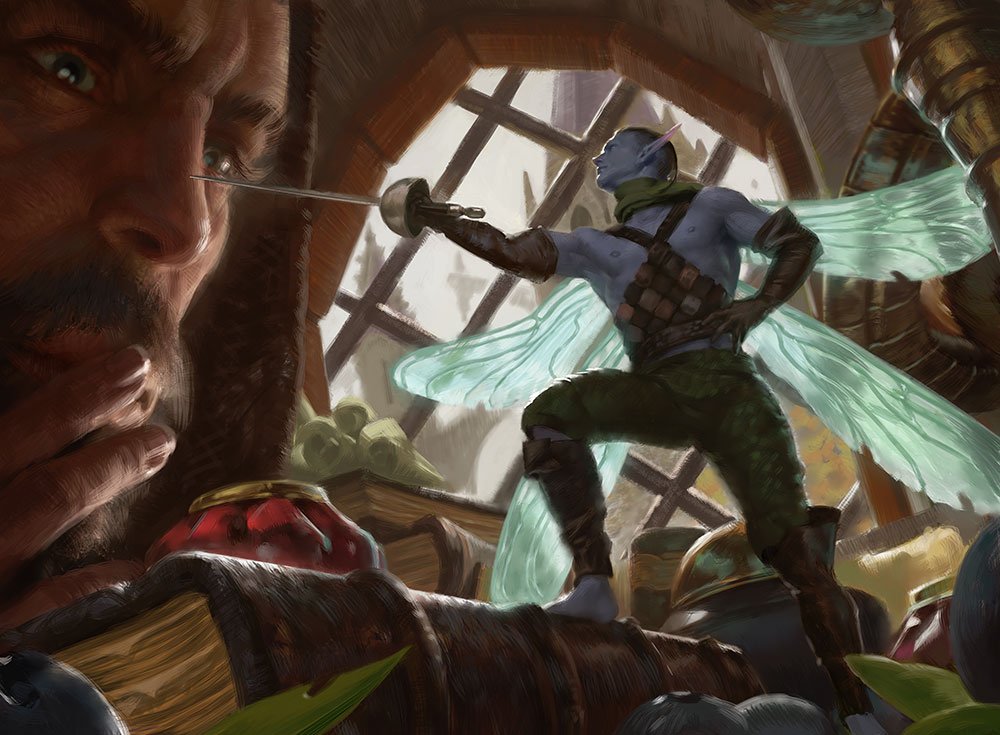
Fairies were unaffected by The Four Agonies.
Goliath
Goliaths are seldom seen in Aelas south of the frozen lands of Nightfire Tundra and Darkwinter Heights. The times they're most commonly seen outside their hellish homelands are when their merchants come to the far northern cities of Sinyai or Starhearth to trade. Their ancient strongholds or Sraos cling to the sides of sheer mountain faces or hug the high frozen walls of nighted cliffs in the far north of Aelas. The goliaths are a secluded people, but are very friendly and welcoming of strangers to their lands. Often goliaths are dominated by their curiosity, many who find themselves in strange new places unable to keep from venturing further. Towering over all the other mortal races of Aelas and growing up in the most dangerous places on the continent, goliaths have become some of the mightiest warriors in terms of raw power to walk the earth. Their power is so greatly respected that their neighbors, the warmongering Shatterblood orc tribe, refuse to make war on them, as the result would be obvious, and they are a respected warrior people.
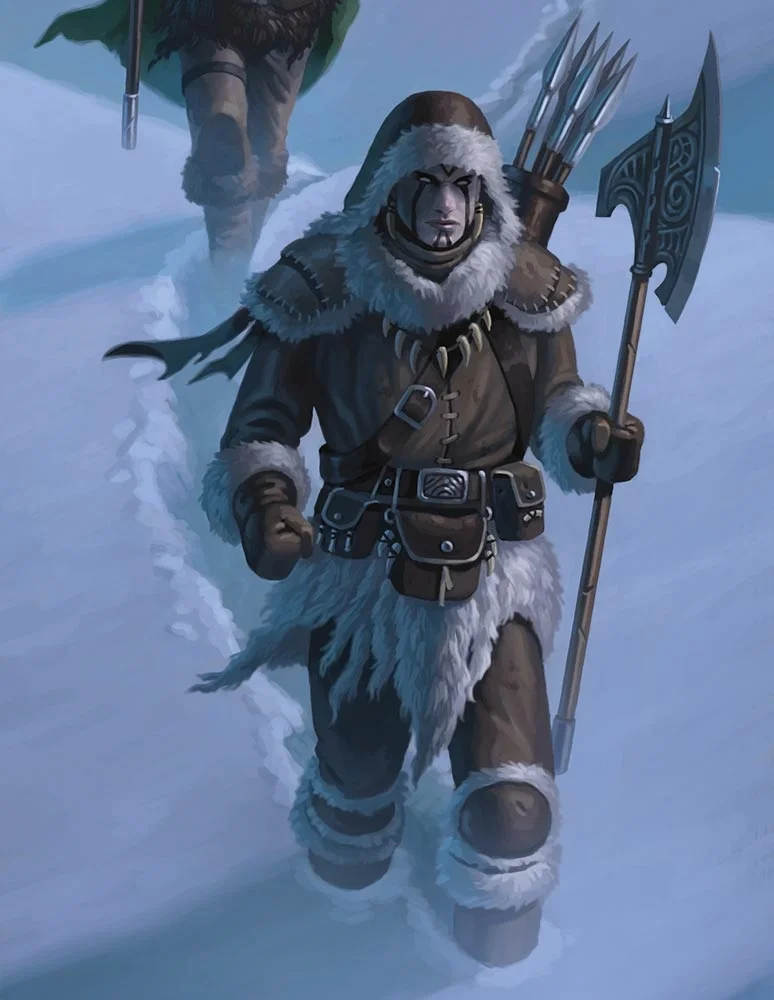
Like the Shatterblood, each Srao has a patron god that the majority of goliath inhabitants worship with a frightening zeal. It is not a good idea to bring up religion in a group of goliaths. and if you do, just agree with what they say. Sometimes their deities can be local deities like the Shatterblood worship, but other Sraos have fully accepted the high Pantheon, and will focus on a single god with monolatristic intensity. The rivalry between Sraos can be exacerbated by religious differences, but even in the case of fatalities between quarreling zealots, it never triggers anything more than a riot or a bar fight. Fighting is as sacred to the goliaths as it is to orcs, but the way of the warrior isn't as strongly regimented, and emphasizes individuality. Ones glories are not their peoples but their own, and same goes for one's shame. It isn't odd to find goliath warriors guarding very powerful political figures in Aelas with the means to hire them from the distant north as intimidating bodyguards.
In addition to martial prowess, hunting and especially sports are highly prized in the culture of every Srao.
They were among the many races affected by The Four Agonies which arose out of the Lich War. As a consequence, their life expectancy has been halved to an average of 60 years.
Kenku
Legend holds that the Kenku are the descendants of an antediluvian elven tribe called the Varatha (Sky Elves), who became cursed thousands of years ago. They are believed to have been a physically beautiful and musically gifted people ,with innate powers of flight. They were led by warlock kings who trafficked in fiendish powers, and consequently overstepped their contract, angering their dark master. As punishment, the Varatha's voices were taken away forever. Their bodies were deformed to look like ravens, a beast the elves revile as an embodiment of death and decay.
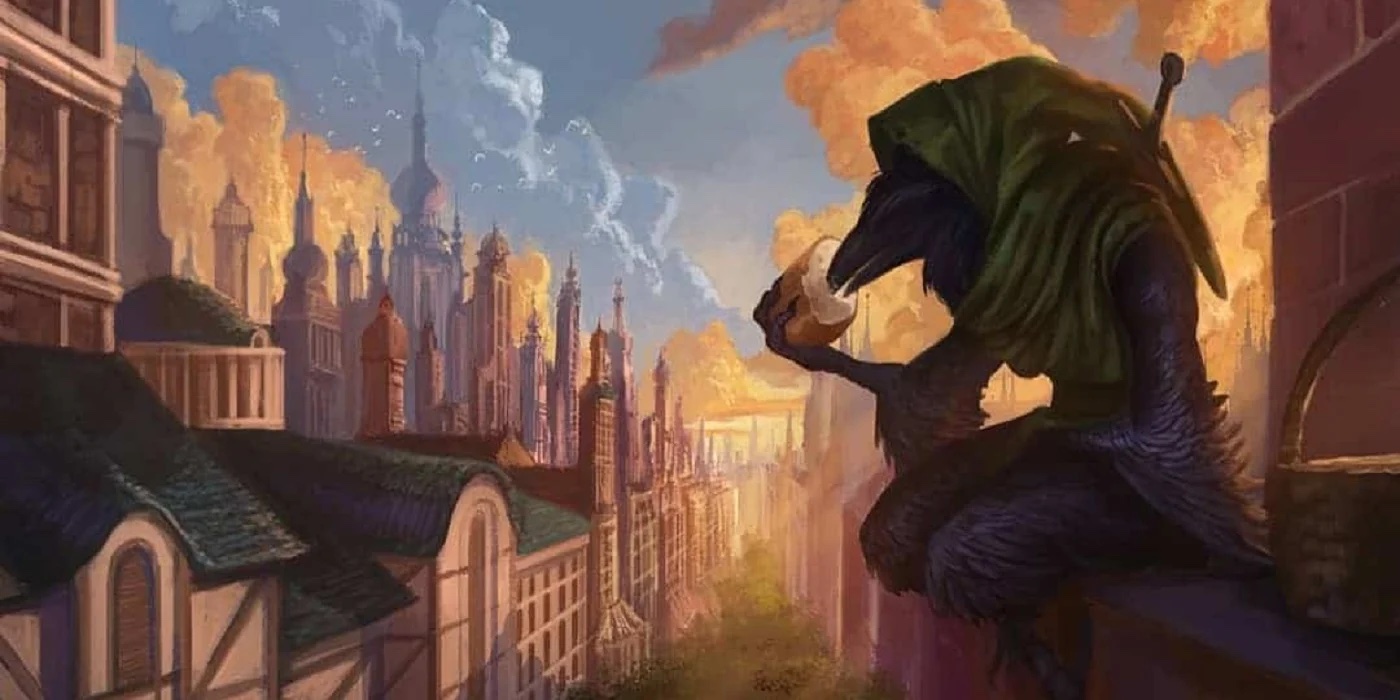
Kenku are rarely seen outside the northern reaches of the Seven Sands, or remote villages in the Witchenwald. Many in Aelas distrust them implicitly for their monstrous appearance and the stereotypes that depict them as cutthroats and thieves. Their innate mastery of mimicry, forgery, and duplication make them invaluable spies but only furthers the public's distrust in these avian folk.
Many Kenku enjoy solitude or quiet, keeping a very small circle of acquaintances. Kenku communities exist, but they're small and often short-lived. They can be found making shanty-towns around remote ruins like in Sytheshir, and small bands will crop up near the Witchenwald's few villages. Some live in cities. Many Kenku hold that they do have a great city of their own, Banehallow, the city of outcasts. However, the majority of Aelas views it as only a legend. Many Kenku believe that many of their kind dwell in this peaceful and hidden city deep in the frozen wastes of Darkwinter Heights, although its location has never been discovered.
Many Kenku will go on a quest into Darkwinter Heights to find Banehallow. Most never return.
They were among the many races affected by The Four Agonies which arose out of the Lich War. As a consequence, their life expectancy has been halved to an average of 55 years.
Reborn
When a mortal dies, they may rise again as an undead called a Reborn through fiendish intervention, an ancient curse, the result of necromancy, or something equally as dark. Reborn typically retain their sentience and many hold onto old memories. Some are resurrected as a new person entirely, unaware of the life they lived before their last breath. Some appear unchanged from when they were alive. Others rot, appearing no different than a zombie.
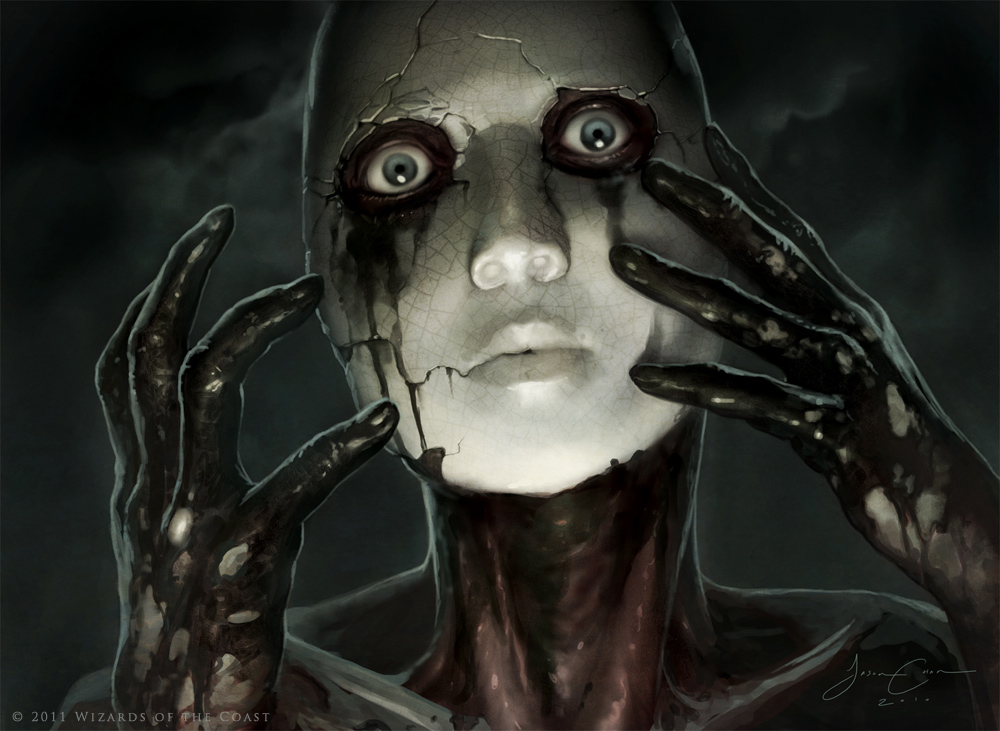
There is no fellowship, civilization, nor culture among the reborn in Aelas.
After the tragedies of the Lich War, necromancy underwent a global revulsion in all of its forms from the malicious to the unquestionably beneficial. Even those associated with necromantic powers became pariahs, and face regular revulsion if their link to the powers of death were discovered.
Most commonly reborn can be found among the ranks of the disbanded knights, The Order of the Twice-Blessed. these were a former elite order of Liothan knights who agreed to be the subject of necromancy to keep fighting for their country after falling on the battlefield. When Sharev of Erevel died, the spell which rose them to undeath became unpredictable. Now, in the wake of necromancy's total ban, they are wandering knight-errants without glory, without fellowship, waiting for the day to come when their heart beats its last, and the spell turns them into something monstrous.
The reborn were unaffected by The Four Agonies.
Satyr
The lore of the High Pantheon holds that Satyrs, as a race, emerged from the Age of Heroes after being formed of grapevines and flame by The Reveler, God of Wine. Satyrs tend to worship Unhallowed gods of the High Pantheon: typically Leyentran Goddess of Love, Zatserah God of Thieves, or The Reveler most popularly. Satyrs can typically be found in the woodlands of the west by the Sundown Sea, traveling through the forests, between the elven cities in small satyr caravans. The other half of the worlds satyrs live in the Seven Sands, wandering from desert to desert in search of their next adventure. Satyrs seldom sit still. They are never satisfied with one place, one partner, one career, one lifestyle, or just one of anything. They are seekers of life, adventure, and pleasure, living each day like its their last. They are defined by their innate wonder, vim, and vigor.
They are known to revel their way into trouble, and have been branded with stereotypes like being drunks, demon worshippers, addicts, or wanton hedonists without scruples. The suffer from a general negative outlook from the broader parts of Human, elven, and dwarven societies. These stereotypes can hinder their people from being accepted by Aelas' civilized realms.
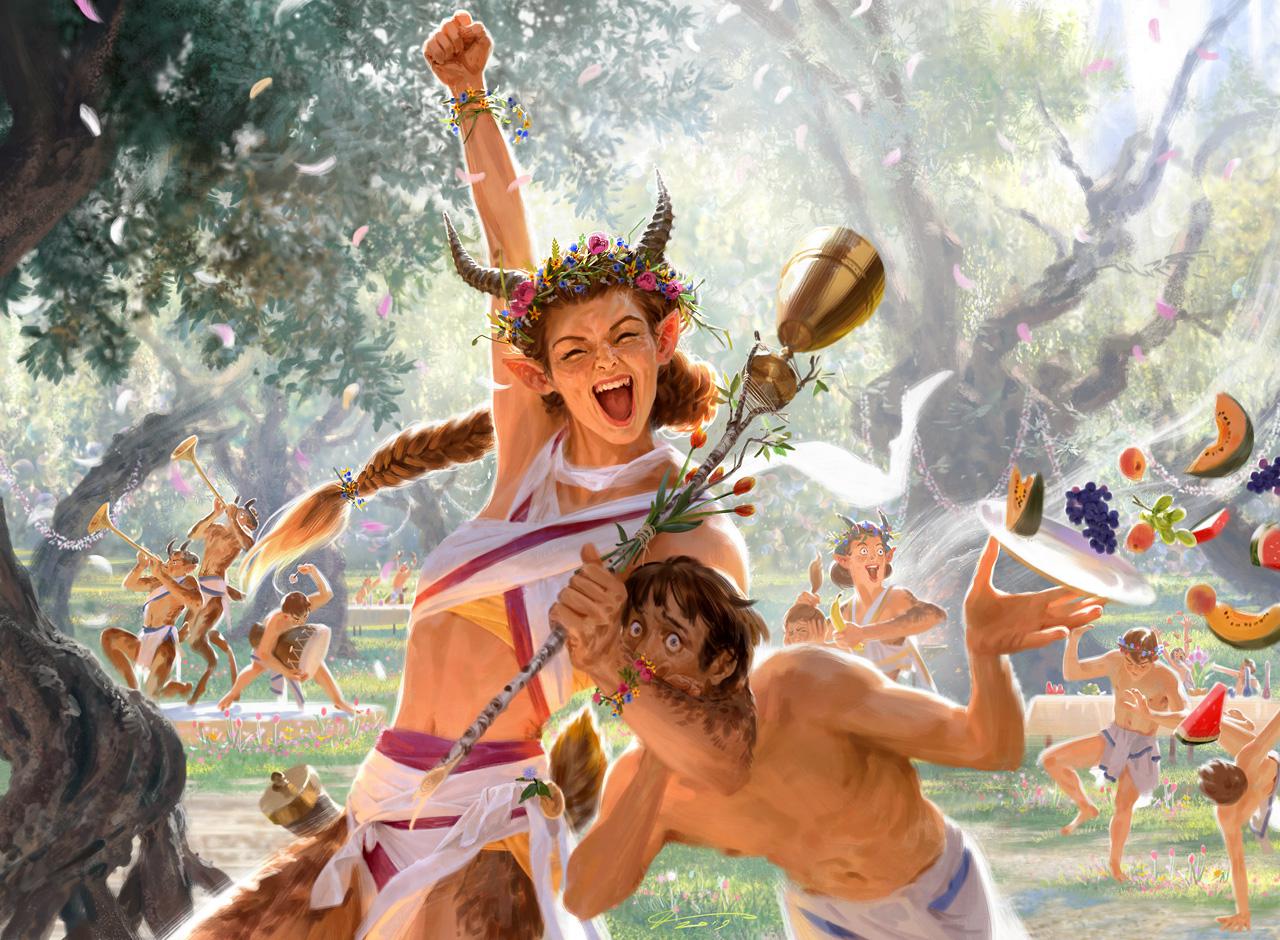
Despite some who try their best to fit in, something about them will be forever intertwined with the wild fey-touched Sundown Lands and the infernal influence of the Reveler. They are not simply predisposed to wander, they are called to it. They are not preferential to reveling, it is their purpose. They do not willfully approach the Unhallowed powers of the cosmos, it is their destiny to seek them.
Satyrs were among the many races affected by The Four Agonies which arose out of the Lich War. As a consequence, their life expectancy has been halved to an average of 50 years.
Shifter
Shifters have no society nor racial culture, and they are few and far between in the world. Many can be found living in hidden druid societies in the woods, mountains, remote islands, or deep deserts. Touched by ancient bestial powers or traces of lycanthropy, the Shifters have an innate connection to the natural world.
They were among the many races affected by The Four Agonies which arose out of the Lich War. As a consequence, their life expectancy has been halved to an average of 50 years.
Tritons
Often mistaken for Genasi or Shifters, Tritons prefer to keep close to their submarine homes in the mysterious city of Deepneedle. They are seldom seen outside of the storm-tossed Scythe Reef at the southern edges of the Gulf of Sirens. Keeping to themselves and living in one of the mot remote corners of the world, they are a race shrouded in mystery. They are one of the few peoples in Aelas who will regularly make voyages that exceed the bounds of the continent, seeking for stranger waters to the south and west. They are known to be collectors of exotic curios and strange merchandise from distant shores. Pirates on the lam from the navies of the Gulf of Sirens will sometimes find shelter on one of the few islands surrounding Deepneedle inhabitable by humans. The worship of the High Pantheon is uncommon to them, although most will make offerings or prayers to Manaria when treading unfamiliar waters.
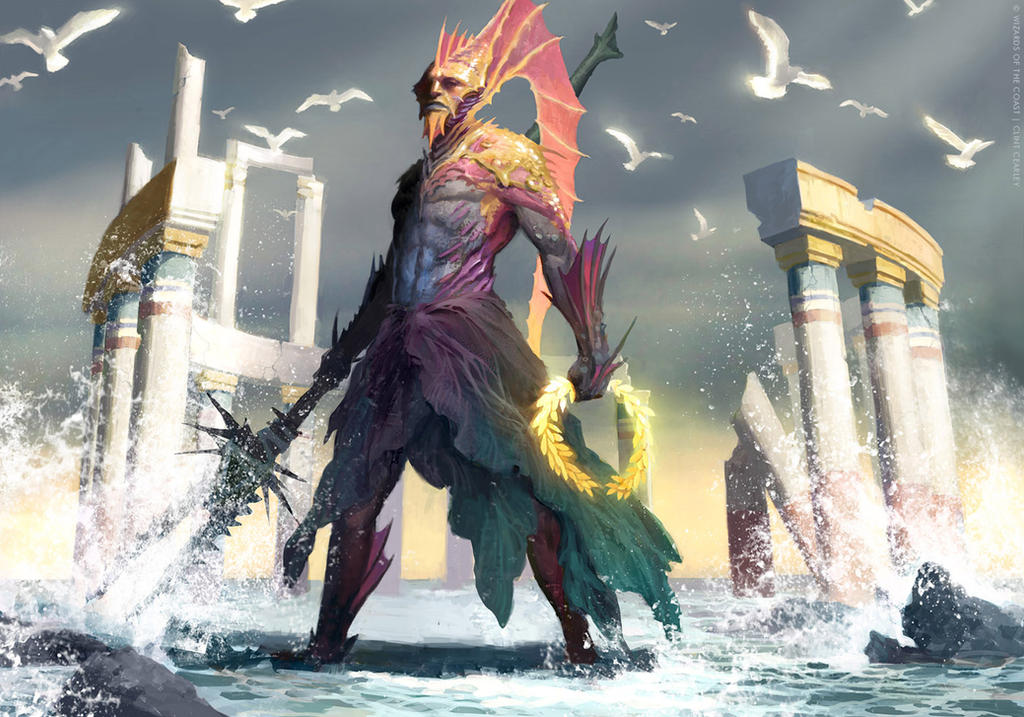
It goes without saying but, as sailors, divers, and fishermen the Tritons are unmatched.
They were among the many races affected by The Four Agonies which arose out of the Lich War. As a consequence, their life expectancy has been halved to an average of 50 years.
Yuan-Ti
The serpentine Yuan-Ti are very few in number. Their might is a shadow of what it once was thousands of years ago, when their people dominated the Seven Sands, and were blessed by their old god, Sugoshir. Their people are thought to be a myth by the younger civilizations of Aelas. The older ones who remember them believe their race to be long-since extinct. Their ancient capitol, Sytheshir, has long since been destroyed by the empire of Adravas.
Today, the Yuan-Ti keep to the shadows, using secrecy to cloak their existence from superstitious folks, bigots, and the ancient enemies of the serpentine race. The vast majority of Yuan-Ti dwell in the great walled city of Surush, and consider themselves part of the Surush tribe. Inside Surush's great sandstone walls, they are more of an open secret. Many of them hold great power in the courts of the ancient city, and exert their influence with slow deliberation across the Seven Sands.
Many hope for a return to their ancient preeminence and the glory of Sugoshir restored across the lands of Aelas.
They were among the many races affected by The Four Agonies which arose out of the Lich War. As a consequence, their life expectancy has been halved to an average of 50 years.
Warforged
Warforged are masterwork constructs made by genius artificers with the potential to be superior in combat than all mortal races of Aelas. They are extremely rare, as only a few of them have ever been created. Only a master artificer, a once in a century talent, has the skill needed to create one of these sentient constructs. Warforged are prized mercenaries, but unfortunately frequently come under threat of assassination when engaging in adventuring, as their superior strength and powers make them thorns in the side of those they might oppose.
They were unaffected by The Four Agonies.
AELAS ORIGINAL RACES (STILL BEING WORKED!)
Aelas original races are a category which describes a species of mortal folk that are extremely difficult to find stats and lore for the broader world of Dungeons and Dragons, or are entirely unique to the world of Aelas. Because of this, I will include their stats below, as these are the only ones that aren't taken from the official Dungeons and Dragons rule books and expansion books.
Half-Dwarf
not filled in yet
Leviari
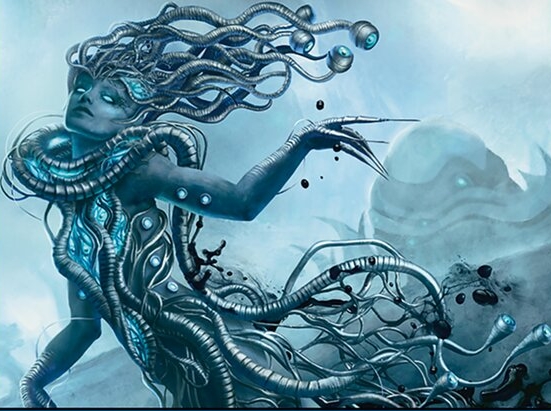
Deep beneath Aelas lies the mysterious Underdark, a vast subterranean world of shadowy kingdoms, hidden oceans, labyrinthian crystal caverns, and terrible powers. Below the lowest depths of the dwarven cities are the realms of the Leviari, a race of sentient humanoid beings made of living mercury and cinnabar rock.
Appearance
Leviari Traits
Elemental Nature
Your creature type is Elemental.
Leviari are immune to poison damage and resistant to physical damage. You are, however, vulnerable to lightning and thunder damage.
Amorphous
You can squeeze through a space as narrow as 1 inch wide, provided you are wearing and carrying nothing. You have advantage on ability checks you make to initiate or escape a grapple.
Ability Score Increase
Your CON score increases by 2 and DEX by 1.
Age
Leviari live to be around 200 years old. Leviari were unaffected by The Four Agonies.
Alignment
The Leviari live under the thumb of greater malevolent powers, dwelling below the surface of Aelas. While there are good folk in every race and culture, most Leviari have adapted to the savagery and malevolence it takes to survive a life in the Underdark, and are Lawful Evil.
Size
Your size is Medium.
Speed
Your base walking speed is 30 feet.
Darkvision
You can see in dim light within 60 feet of you as if it were bright light, and in darkness as if it were dim light. You can’t discern color in darkness, only shades of gray.
Languages
You can speak, read, and write Common, Primordial, Dwarven, and one other language.
Monstrophage
In the deep woods of Bered there are things now that make even monsters fear the dark.
Once Human beings, these unfortunate souls were victims of a twisted alchemical experiment, conducted somewhere in the Widowfang Woods shortly after the Lich War. Their Human body is a shell of what it once was, now possessing new organs and appendages that have been grafted on for the purpose of slaying monsters. Like vampires, they are driven by an insatiable craving that drives them to hunt dangerous creatures of monstrous, undead, or fiendish aspect. This craving drives them, to not only to kill, but to devour their nightmarish prey. Failing to consume the flesh of these monstrous creatures will cause their patchwork bodies to fail and die.
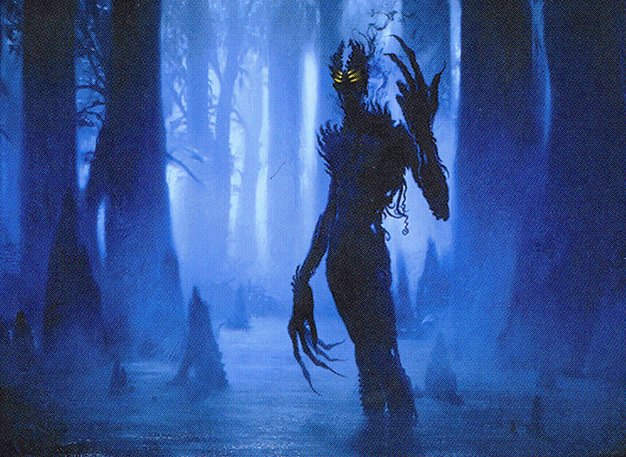
They are the ultimate monster-slayers, made to rid the world of terrors, and fade from it when they've succeeded. Only a handful have survived to this day. Most monstrophages are completely feral, driven mad with the rage and pain of their hellish existence. Some who retained their sanity search for a way to return their body to its humanity, a select few have dedicated their lives to hunting down the ones responsible for their current condition, and others have accepted their newfound power and dedicate their lives to slaying monsters or darker ambitions yet.
Appearance
Monstrophages appear humanoid from a distance. On closer inspection, deep scars and surgical marks meander over their bodies. Their flesh is mangled and tattered in places. Bestial snouts are grafted on where their nose should be. Their jaws have been surgically widened and inlaid with fang-like steel teeth. One of their Human eyes have been replaced with a basilisk eye to harm with a glance, and have a distinctive serpentine appearance. Four other eyes have been grafted above them, giving them a a total of six. The four additional eyes are either of Human, bestial, or monstrous appearance. Their fingertips have been replaced with long pointed claws. Hornlike ridges of flesh protrude from the tops of their head.
Monstrophage Traits
Monstrous Nature
Your creature type is Monstrosity.
Monstrophages are immune to being frightened, and have resistance to poison.
Ability Score Increase
Your Dexterity score increases by 2, your Strength score increases by 2. Your Charisma is decreased by -2, and your Intelligence is decreased by -1.
Age
Monstrophages began their lives as humans. Humans seldom live past 60, averaging at 50 when they die because of The Four Agonies. The process which creates monstrophages significantly reduce one's lifespan, as it is traumatic to the body. If a healthy Human were to become a monstrophage at 25, it is likely they won't live for more than fifteen years after they were released or escaped the experiment.
Alignment
The psychological toll of their existence has eroded monstrophages senses of civility and patience. They live in a kill-or-be-killed world of extremes and desperation. Their sense of ethics are a toss of the dice. Few monstrophages will align outside of the chaotic spectrum.
Size
Your size is Medium.
Speed
Your base walking speed is 30 feet.
Darkvision
You can see in dim light within 60 feet of you as if it were bright light, and in darkness as if it were dim light. You can’t discern color in darkness, only shades of gray.
Languages
You can speak, read, and write Common and an additional language.
Enhanced Senses
You have proficiency in the Perception skill.
Insatiable Craving
A monstrophage is sustained only by the flesh of terrors and beings of great power. In exchange for regular meals, a monstrophage must devour a medium sized living creature or freshly dead (1 day maximum) creature each day, or begin taking exhaustion points. This creature must be made of flesh and belonging to one of the following creature types: Aberration, Monstrosity, Fiend, Fey, Celestial, Dragon, Giant, or Humanoid.
Venomous Claws
When making unarmed attacks you do slash damage instead of bludgeoning. If you have consumed a venomous or poisonous creature, your claws will inflict the poison of that creature after a next long rest. The venom will be depleted after taking a secondary long rest.
Basilisk's Eye
The basilisk eye, after being transplanted in your head, has lost its potency, but is still able to cause petrification. This ability can be used once per short rest.
Lesser Petrifying Gaze
As an action, if you are within 30 feet of a creature and the two of them can see each other, you can force the creature to make a DC 12 Constitution saving throw. On a failed save, the creature magically begins to turn to stone and is restrained. It must repeat the saving throw at the end of its next turn. On a success, the effect ends. On a failure, the creature is petrified until it makes a successful save in a combat turn, or when not in combat, for one hour. It can also be freed by the greater restoration spell or other magic. If the stone is shattered, it does not kill the creature within, but frees it from a stone prison.
Petrifying Gaze
At 10th Level the power of your basilisk eye has increased, and only magic can undo its effect.
As an action, if you are within 30 feet of a creature and the two of them can see each other, you can force the creature to make a DC 12 Constitution saving throw. On a failed save, the creature magically begins to turn to stone and is restrained. It must repeat the saving throw at the end of its next turn. On a success, the effect ends. On a failure, the creature is petrified until be freed by the greater restoration spell or other magic.
Greater Petrifying Gaze
At 15th Level, the DC Constitution Saving Throw a creature must roll to resist being petrified increases to 15.
Oreth
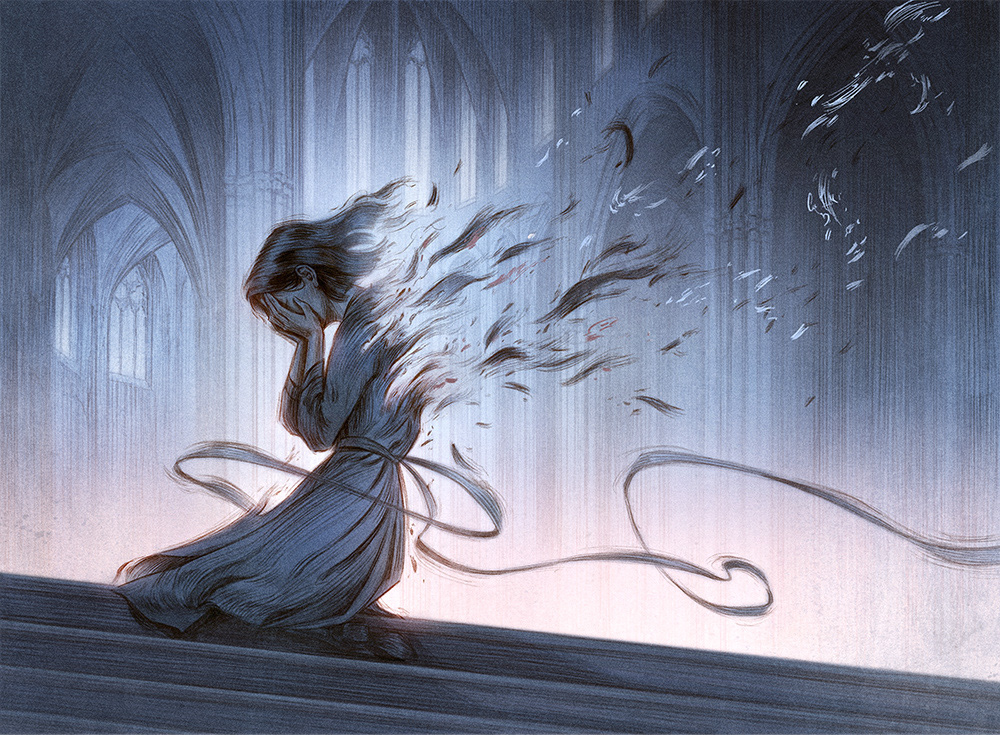
An Oreth is a sentient being of humanoid appearance, crafted entirely from forbidden illusion magic. The Oreth is made only of spells, and weighs nothing. They are not a hologram, a being of light, nor shadow. Rather they are the purest form of illusion, completely ethereal, and exists only to things that can observe them (including them). The creation of a single Oreth is considered to be the crowning achievement of illusion magic and among the most advanced forms of magic in Aelas. They are genius masterworks, and nigh impossible to create. Only a few dozen have ever been made in history. Their physical appearance, knowledge, skills, and even personality are meticulously crafted by their wizardly creator. Oftentimes they are created to be courtiers, excelling at charming manners, sophisticated conversation, and sharp wit. Many are literally incapable of being rude, sassy, or otherwise vulgar; with some completely unable to utter slang, swear words, or talk directly about anything explicit. Likely, they have been formed to impress, and crafted to be gregarious, unoffensive, and universally likeable.
It is the life's work of a master illusion wizard, but it is a forbidden art because an Oreth is fully sentient and like all illusions, is made to fade at the whim of the caster. Essentially, it is a planned execution of a newly born autonomous and aware person. To make an Oreth, a wizard must gift them a great amount of their own power, weakening themselves significantly while the Oreth lives. Because of this, most Oreths live short lives as entertainment and living pieces of art, before being dispelled in a long ritual by their creator, so they may reclaim their loaned magical might. Another reason why it is best to avoid creating an Oreth, even if one can, is that sentient beings with individuality and independent thought don't much like the idea of a life of slavery, an existence of being someone else's entertainment, and only death after few weeks. Oreths are highly clever, made from pure intellect and imagination. Many find ways to escape their creator, causing the wizard who weaved them into being, to hunt them down to reclaim their fugitive power.
A few Oreths are not made to be baubles, but serve other purposes, and there are cases in which a master illusionist willingly gives up their magical mastery, to breathe life into what could be a child to them, a companion, or something else entirely.
While illusory, they are meant to be as close to a living mortal as possible. Because of this, their feet make crunching sounds on snow even though there aren't any footprints, they can feel hot or cold, they can feel pain, etc.
Appearance
An Oreth may resemble any race in Aelas. Almost all Oreths have been made to look extremely beautiful. Great care is taken into their physical appearance, grace, and charm. Their primary purpose was to be made as gifts for kings, queens, emperors, and other powerful figures to be a gorgeous, graceful, and highly intelligent courtier to be kept like a toy until the wizard decided to do away with them. Most have a splendidly aristocratic air complete with perfect hair, and pristine clothes that are as much a part of them as their skin, and a beautiful voice.
Their clothes may shift on their body, and may even be partially removed or fussed with, but can never be separated from their body as they are as much a part of them as anything else.
Oreth Traits
Illusory Nature
Your creature type is Construct.
Nearly all damage an Oreth takes is automatically counted as psychic damage, even if were to come from another damage type. This does not factor into immunity, resistance, or vulnerability. Those conditions only pertain to the source of the damage. The only exception to this is force damage, which is still taken as force damage.
Oreths are immune to sources of poison damage and resistant to sources of thunder, piercing, bludgeoning, and slash damage. They are vulnerable against force and psychic damage. They do not bleed, cannot lose limbs, hair, or even pieces of the clothes they were made to inhabit. When they are bloodied their form begins to flicker. The more damage done to them the worse the flickering becomes. Their form becomes transparent when their health is quartered, and when they die they leave nothing behind but the physical objects they'd collected on their travels.
Ephemeral Beings
Oreths are weightless.
There is no tactile sensation when one touches an Oreth, it's like touching air. They do not set off physical traps like tripwires, pressure plates, snares, etc. They would not be picked up on something like a security camera, as they are not holographic beings made of light, they are illusory creatures that can only be seen by living beings or things animated with magic. Spells like alarm, however, would work on them.
Any significant strike against them that is sharp or moves rapidly passes intangibly through them. Otherwise it knocks them back. They cannot eat or drink and do not need to sustain themselves beyond sleep.
Constructed Mind
Oreths have advantage on Intelligence saves against magic that's either enchantment or illusion.
Sleep
Oreths need 8 hours of sleep per night. While they sleep, the whispers and chants from the spells that maintain them (normally as faint as a heartbeat) become as audible as breathing.
Shadow Touch
While Oreths are intangible as a default, the same shadow magic that temporarily gives illusions physicality runs through them. Oreths are able to carry weight , wear equipment and clothes (over their illusory clothes), and interact with physical objects through focus and a great amount of energy.
Oreths take two points of exhaustion instead of one from lack of rest, while carrying more than ten pounds for over an hour.
Ability Score Increase
Your INT score increases by 3 and CHA by 3.
Oreths are made from a large piece of a master wizard's power, composed of hundreds if not thousands of complex spells and magic. Even if they were made to be a simple fool, the intellect of a master wizard is to them what blood is to humans. In the rare instance when an Oreth is formed, they are typically made to be the wizard's ideals of beauty, charm, and grace. In the days when there were no prohibitions against their creation, they were made to be gifts for kings, queens, and emperors. They turn heads.
Ability Score Decrease
Your STR score decreases by 5.
Age
An Oreth can be only a few seconds old, but can posses the temperament and appearance of a 999 year old elven elder. They can be any age their creator depicts them as, but they do not age once they are created, and have no definite lifespan. Their lives are tied to the master wizard who gave them life, and they flicker out of existence when their creator dies.
Bound To Their Creator
An Oreth's life force is bound to the one who created them. When the wizard who made them dies, they flicker out of existence moments later. However, when they die, their power and life force is returned to their creator, making the master wizard that formed the Oreth significantly more powerful.
Most wizards who make Oreths don't let them exist long, as their existence is a large amount of the wizard's own power, and this power is on-loan so long as the Oreth exists. If an Oreth were to escape their master's clutches, the wizard is left with no other choice than to accept a great deal of their power is gone forever, or to hunt down and destroy their creation so that they may regain their full might.
Size
Your size is either Medium, Small, or Large depending on the race the Oreth resembles.
Speed
Your base walking speed is 30 feet.
Languages
You can speak, read, and write Common, Elven, Draconic, Sylvan, Infernal, and one additional language.
These first 5 languages are part of the spells used to bring the Oreth into being, and are literally a part of them. If one put's their ear to an Oreth's body and listens close, they can faintly hear the whispers of the wizard who formed them, the sounds of the mage's chanting coursing through them like invisible cords of power, the closest thing they have to a heartbeat.
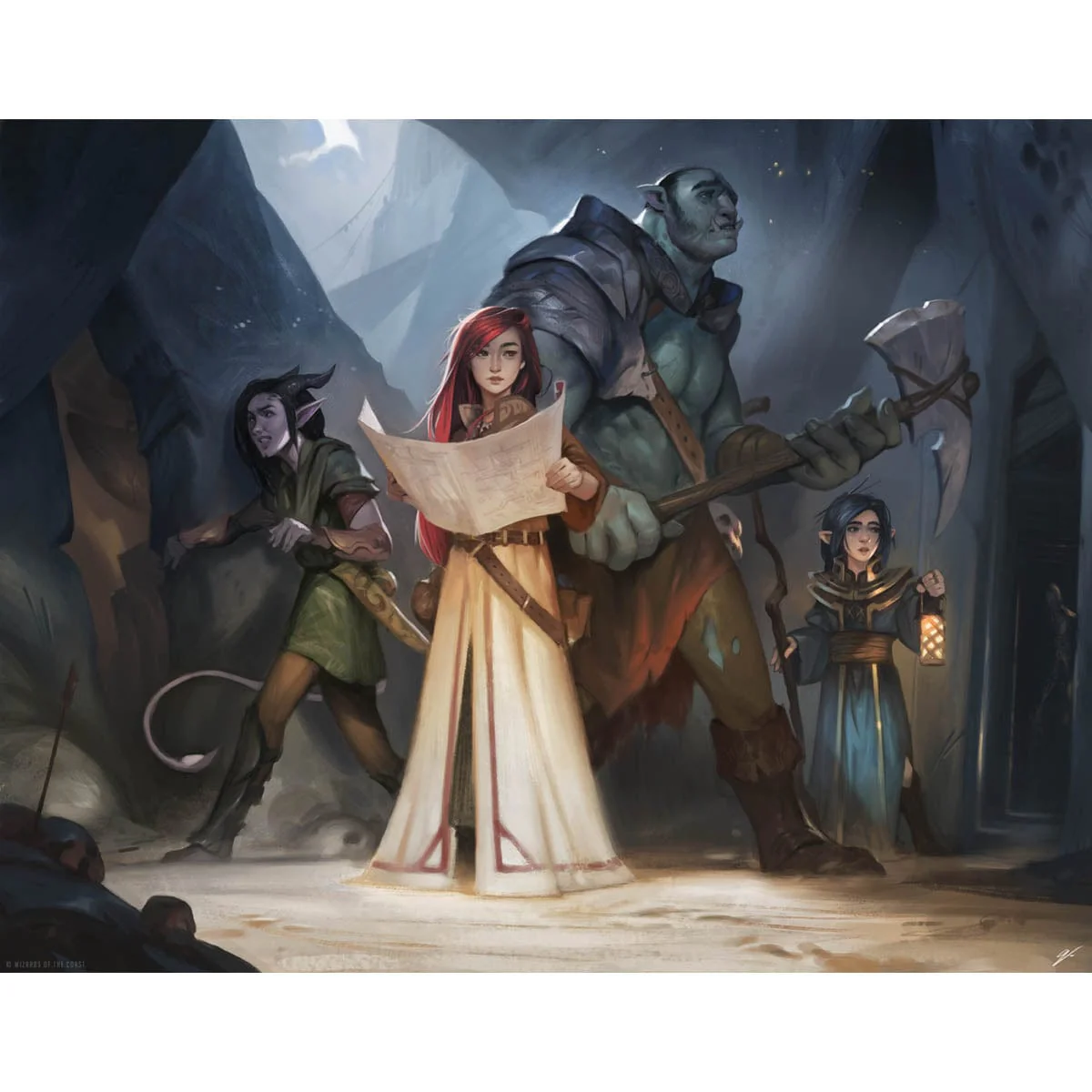
A tiefling, a gnome, a goliath, and a human walk into a crypt
Article Contents
Comments