
Kanghiha Waitara - The Burning of the Ships
There is no way home for us. We shall either thrive on the bossom of this cold maiden or wither from her poison.
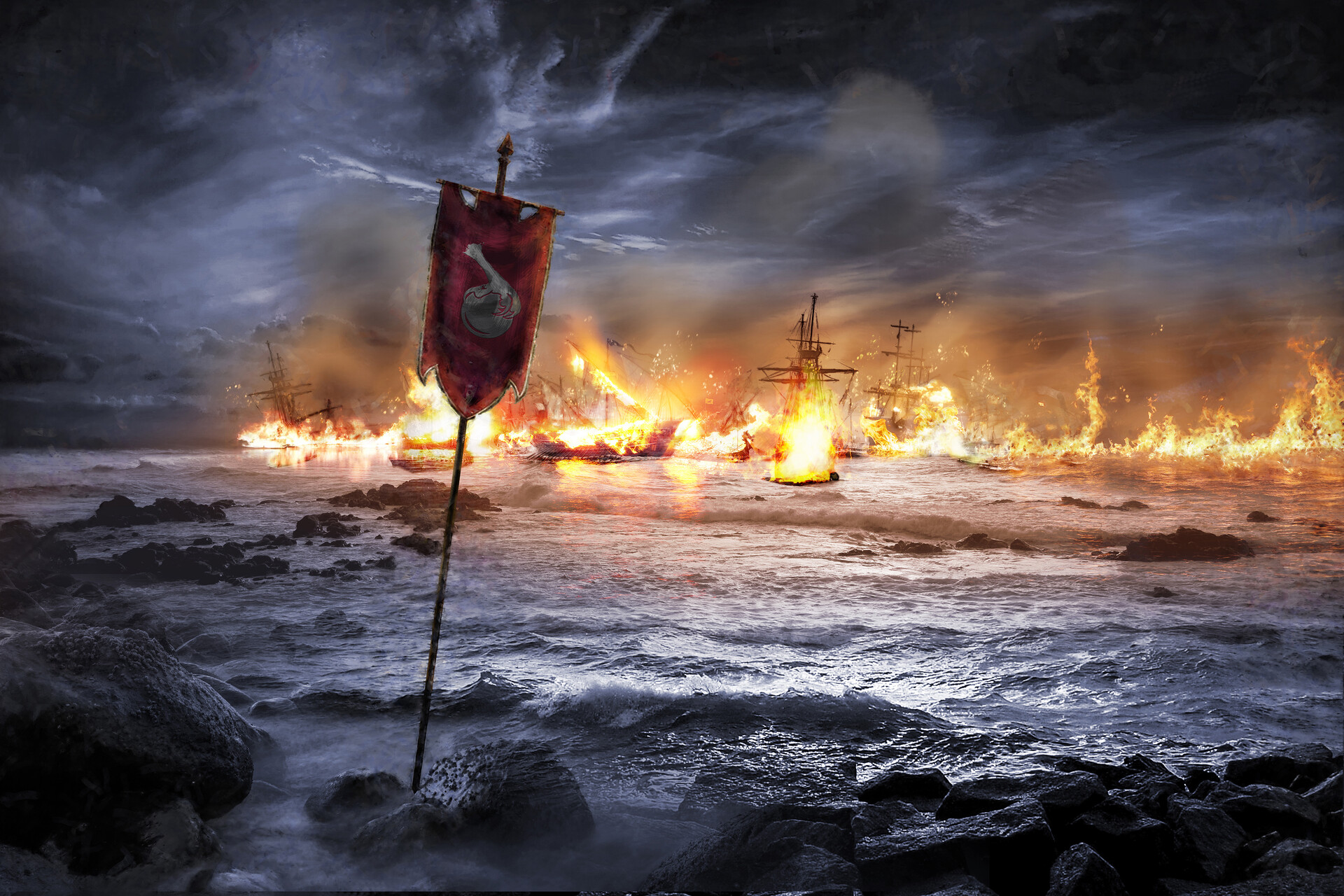
Every five years, when the first cold northern winds announce the coming of winter and its great storms across the Divide, western Vardania plays host to a fascinating site. Burning ships, dotting the sea in their thousands, in a chain from the far north to the far south, their demise not the result of war but of ritual, their end accompanied by the hymns of tens of thousands. This is no ordinary ritual, but the heart of an entire culture: the monument to both past and future of the Haragutai people.
Chain of Wooden Pearls
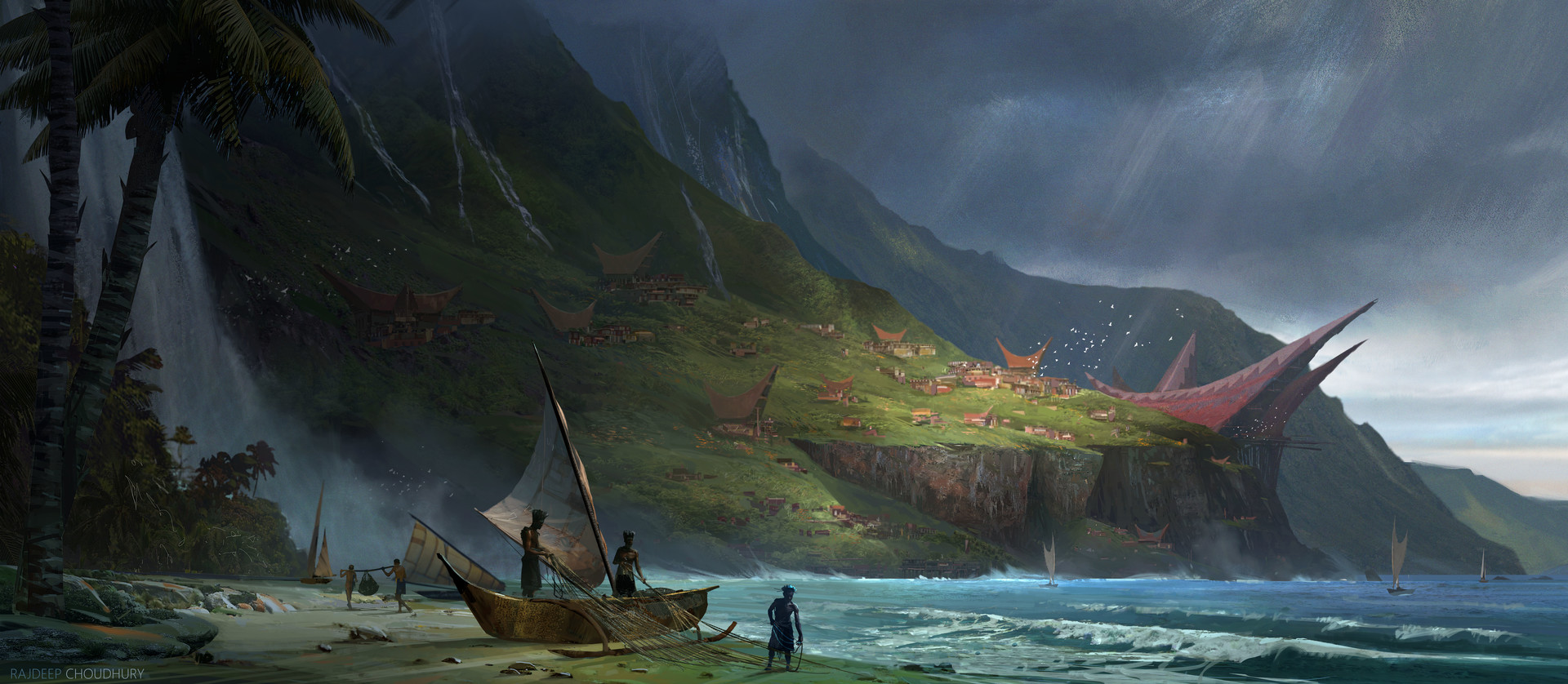
It begins over a year earlier. Cities and towns throughout western Vardania will find an influx of Haragutai seeking to purchase wood. Furniture, boards, trees and even entire patches of forest, as long as it can be processed, it will be bought. The locals are well prepared, their stocks full and their merchants ready to make a fortune.
And the Haragutai buy, transporting ludicrous amounts of the material to their towns and harbours along the coast. Their workshops and dry docks don't cease working for even a single moment over the next year, turning wood into floating homes and ornate warships. Every family, no matter how poor, creates their own.
By about a month before the chosen day, Vardania's western coast is framed by a chain of ships and rafts from one end to the other. Giant floating fortresses and cities, small single-person rafts, fishing boats, multi-decked warships, humble canoes, a fleet over ten thousand strong floating peacefully upon the ocean waves.
Burning the Past
Each ship of this vast fleet is richly decorated with carved and woven stories depicting the legacy of the Haragutai. The choice of story usually indicates what the craft is supposed to signify. Families grieving for lost members might show tragedy of the demi-god explorer Whakari and his hopeless fight against time. Others might seek to display their achievements and chose to show one of the great Takahika or Storm Kings and their conquests.
The poor might simply try and gain favour in the fight against their plight, showing the goddess Roa and how she banished the Great Plague or her sister Kora and how she made the seas by melting the Eternal Ice.
How these depictions look like differs greatly, some carved into the wood, others painted on canvasses, some through abstract collections of items and others again through something as simple as a written letter. But they all end the same. For on the first day of winter, they all burn as one, a chain of lights framing the continent. Some say their light can be seen even across the far seas.
But that does not matter to the Haragutai. For they burn to forget. Burn the past so that the future may start with a clean slate. Burn memories so that they may move on with a lighter heart. Burn the bad so that the next era may bring better times.
The Kanghiha Waitara is a celebration of destruction. A festival dedicated to the end of things. An event that in a single day devours more resources than many countries use in a year. But above all, it is a ritual of hope.
The Spark of Ritual
Scholars have argued repeatedly where this practise of the Haragutai comes from, the end result equivalent to a general shrug of all shoulders involved. No one knows for certain, but two theories have emerged as the most popular ones:
Act of One
Romantics see the ritual born in the last great act of the migration of the Haragutai. Pushed out from their original land on the western continent of Scetia, the sea peoples were driven onto the ocean and beyond. After much torment, there rose among them the warrior Chen'dai Liokani, who united them and led them across the sea to Vardania. There, he burned their ships and rafts to reinforce in them that from that day on, Vardania would be their home.
Romantics see the ritual born in the last great act of the migration of the Haragutai. Pushed out from their original land on the western continent of Scetia, the sea peoples were driven onto the ocean and beyond. After much torment, there rose among them the warrior Chen'dai Liokani, who united them and led them across the sea to Vardania. There, he burned their ships and rafts to reinforce in them that from that day on, Vardania would be their home.
Act of Pragmatism
A less flattering account sees it originate in the savage acts of pirates. Pushed onto the sea by other forces, the Haragutai emerged as a menace to maritime travel across the whole world, entire fleets raiding coast from the far north to the lost reaches of the south. When these pirates eventually settled into a more normal life, they would burn their ships and any sign of their past life to make sure that no one could trace them in their new lives.
A less flattering account sees it originate in the savage acts of pirates. Pushed onto the sea by other forces, the Haragutai emerged as a menace to maritime travel across the whole world, entire fleets raiding coast from the far north to the lost reaches of the south. When these pirates eventually settled into a more normal life, they would burn their ships and any sign of their past life to make sure that no one could trace them in their new lives.
Either explanation works, as do most of the myriad of others out there, but even if no one can quite remember where the ritual came from, it does not change what it has become: a cornerstone of the Haragutai and familiar heart of a culture faced with an ever changing world.
Burn what keeps your soul anchored to the past. Not so that it may be forgotten, but so that it may not prevent you from going on.
Primary Related Location
Important Locations
Related Ethnicities
by Herb K. Kane
History of Movement
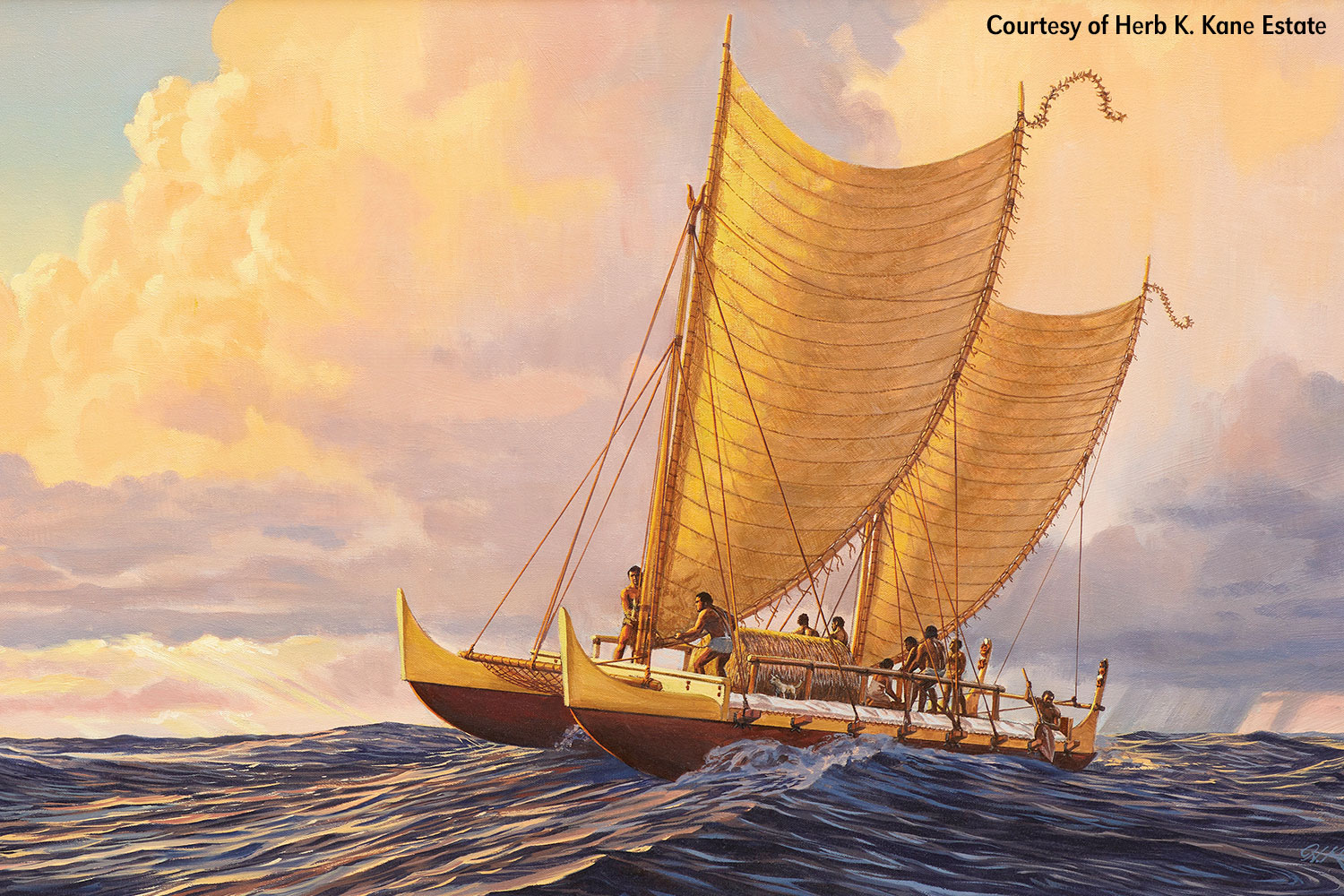
The Haragutai were originally not native to Vardania, but hailed from the western continent of Scetia. Competition by other tribes, natural disasters and a Vardania hungry for adept sailors and merchants combined to provoke a century-long migration east. By the 1400s DA, Vardania's western coast was dotted with outposts, towns and cliff harbours, the "Sea Peoples" as they were called, even strong enough to carve out realms of their own.
Since then, the Haragutai have made their home on the eastern continent, both mingling with local populations and keeping their own identity intact. As of today, they are as Vardanian as any other people here, yet with hand firmly stretched out to the sea.
One ought to call them fish people for much time they spend out in the ocean.
Storm Kings
Born from a mistranslation of the title 'Whara A'Nai', meaning 'Leader of Uncertain Times', the name signifies one of two types of rulers the Haragutai people follow. In times of peace, they follow councils of able men chosen by their respective communities. Chaotic times, however, may see ambitious and strong leaders claim or receive the power to lead the people in either war or migration.
The Issue of Wood
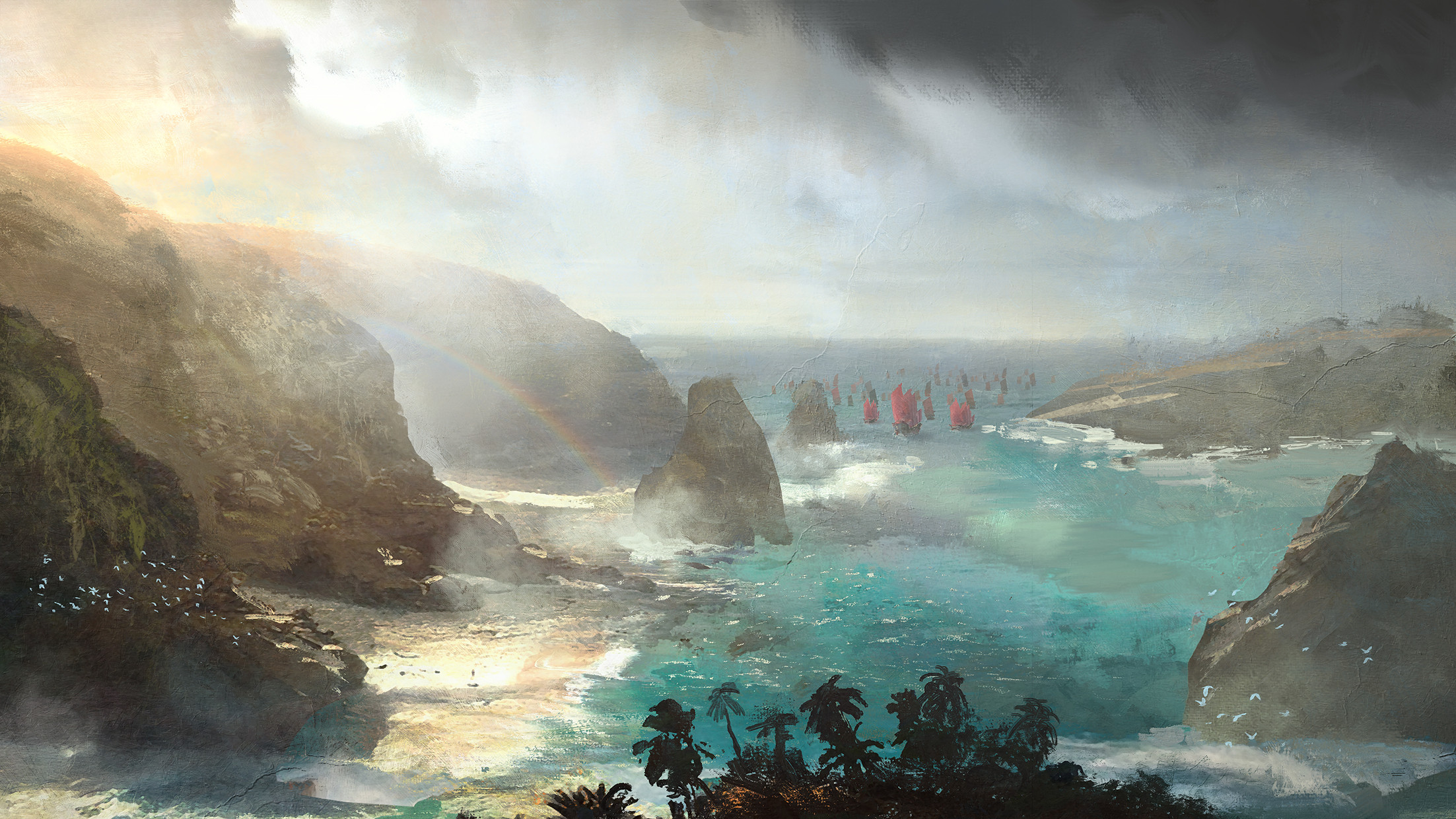
The ritual, while peaceful, is not without issue as the amount of wood it consumes can reach vast dimensions. This issue is not always dealt with peacefully, but most realms across western Vardania have developed some form of measure to deal with it. Some may allocate parts of their forests for clearing, others stockpile the resource for the coming day, the ritualistic fervour of the sea peoples a welcome boon to many a realm's coffers.
by Joseph Feely

What a fascinating ritual. I can see why it might be a concern due to it being a "waste" of wood, but I bet it looks amazing.
Explore Etrea | WorldEmber 2025